

Introduction
Construction progress monitoring is a critical aspect of effective project management. It enables project stakeholders to check the status of a project and identify any delays or difficulties before they become significant problems. However, traditional methods of tracking progress can be time-consuming, expensive, and prone to human error. Fortunately, advancements in artificial intelligence (AI) provide a solution to these challenges. In this pillar page, we will explore how AI can improve construction progress monitoring and optimize project workflows.
Current Market Scenario of AI in Construction
According to a report by Markets and Markets, the global construction analytics market size is expected to grow from USD 1.2 billion in 2020 to USD 5.2 billion by 2025, at a CAGR of 34.8% during the forecast period. The report cites the increasing adoption of AI and machine learning technologies in the construction industry as a key driver for market growth. AI is being used to improve construction progress monitoring, optimize project workflows, and enhance safety on construction sites.
Application of AI in the Construction Industry
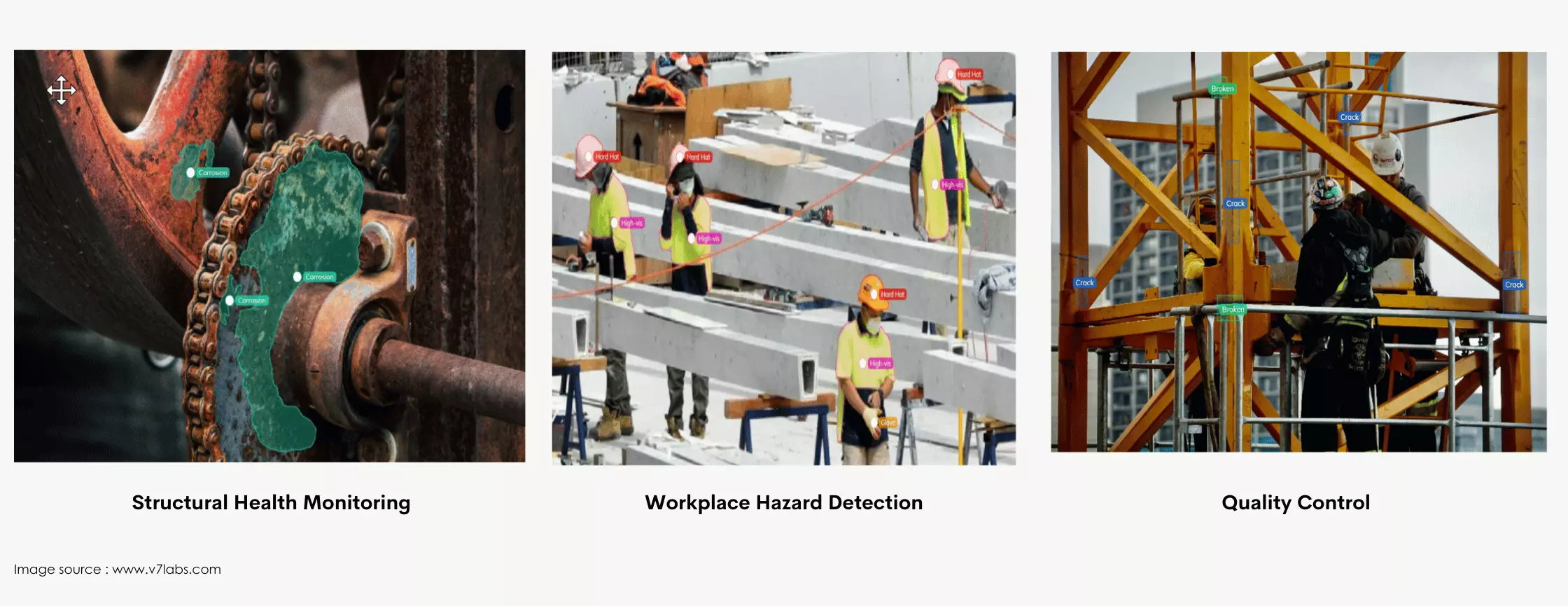
Predictive Maintenance: AI-enabled sensors can foresee equipment breakdowns and plan maintenance tasks, minimizing downtime and extending the life of the equipment.
Safety Monitoring: AI-powered cameras can scan building sites for potential safety dangers and immediately alert project stakeholders, allowing them to take appropriate action.
Material Management: AI-powered analytics can monitor how building supplies are used on the job site, streamlining the supply chain and cutting down on waste.
Structural Health Monitoring: AI-based structural health monitoring uses sensors, machine learning, and data analytics to quickly identify any structural deterioration or irregularities. This technology can benefit a variety of industries, including infrastructure, construction, and transportation, by preventing structural failures, enhancing safety, and lowering maintenance costs.
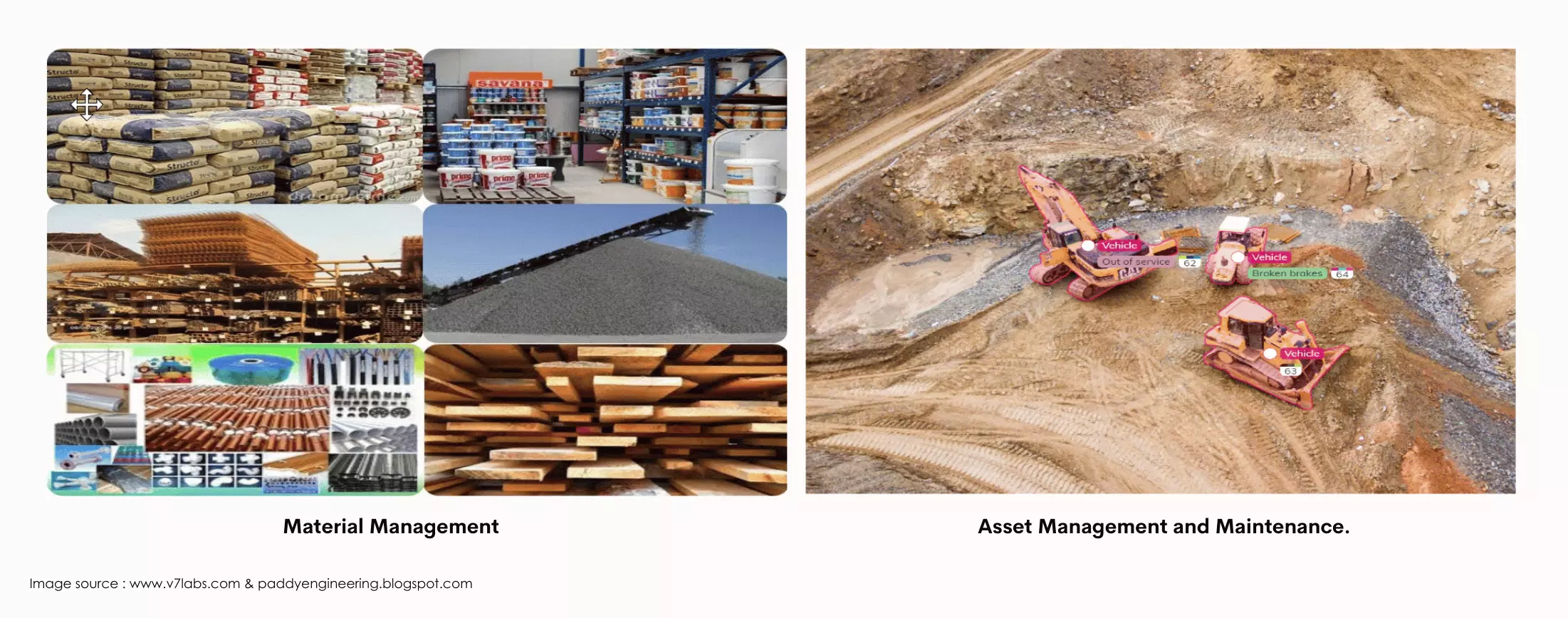
AI-based Construction Progress Monitoring
AI-based progress monitoring for construction projects is a cutting-edge method for following and managing projects in a more effective and efficient manner. AI can offer real-time insights into the status of a building project with the assistance of cutting-edge technologies like machine learning, computer vision, and data analytics.
Workflow for AI-based Construction Progress Monitoring
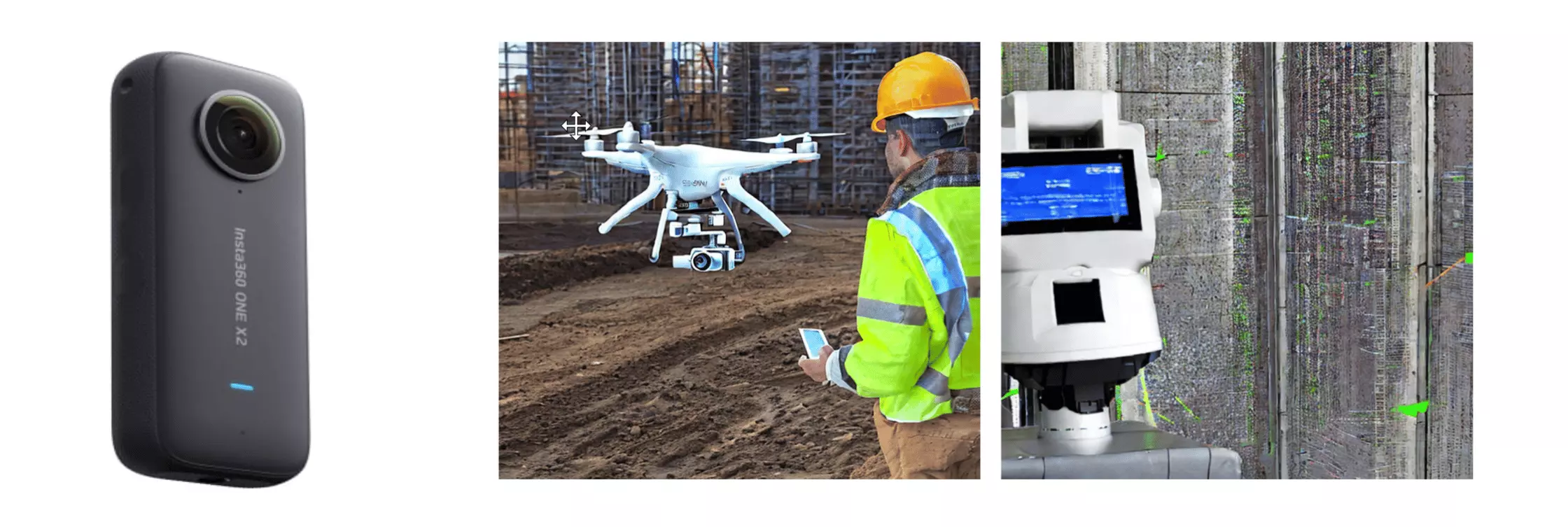
Data Capture
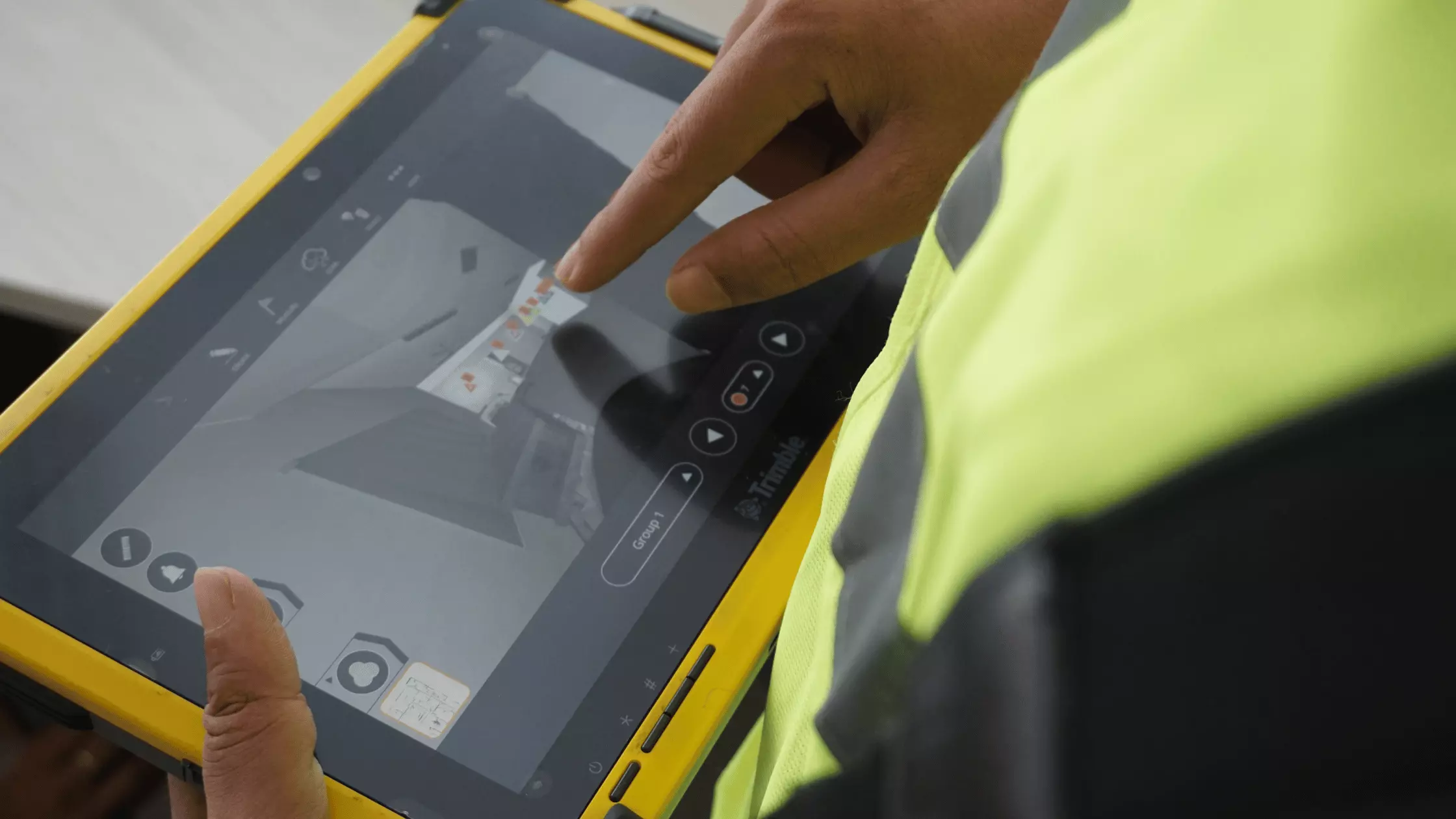
Effective progress monitoring in construction has been significantly hampered by poor data availability and quality. But by combining several data sources, such as sensor data, drone footage, lidar scanner, and 360 cameras, AI can produce a thorough and precise dataset for progress tracking. To find patterns and trends in the development of the building project, this data can subsequently be examined using machine learning techniques.
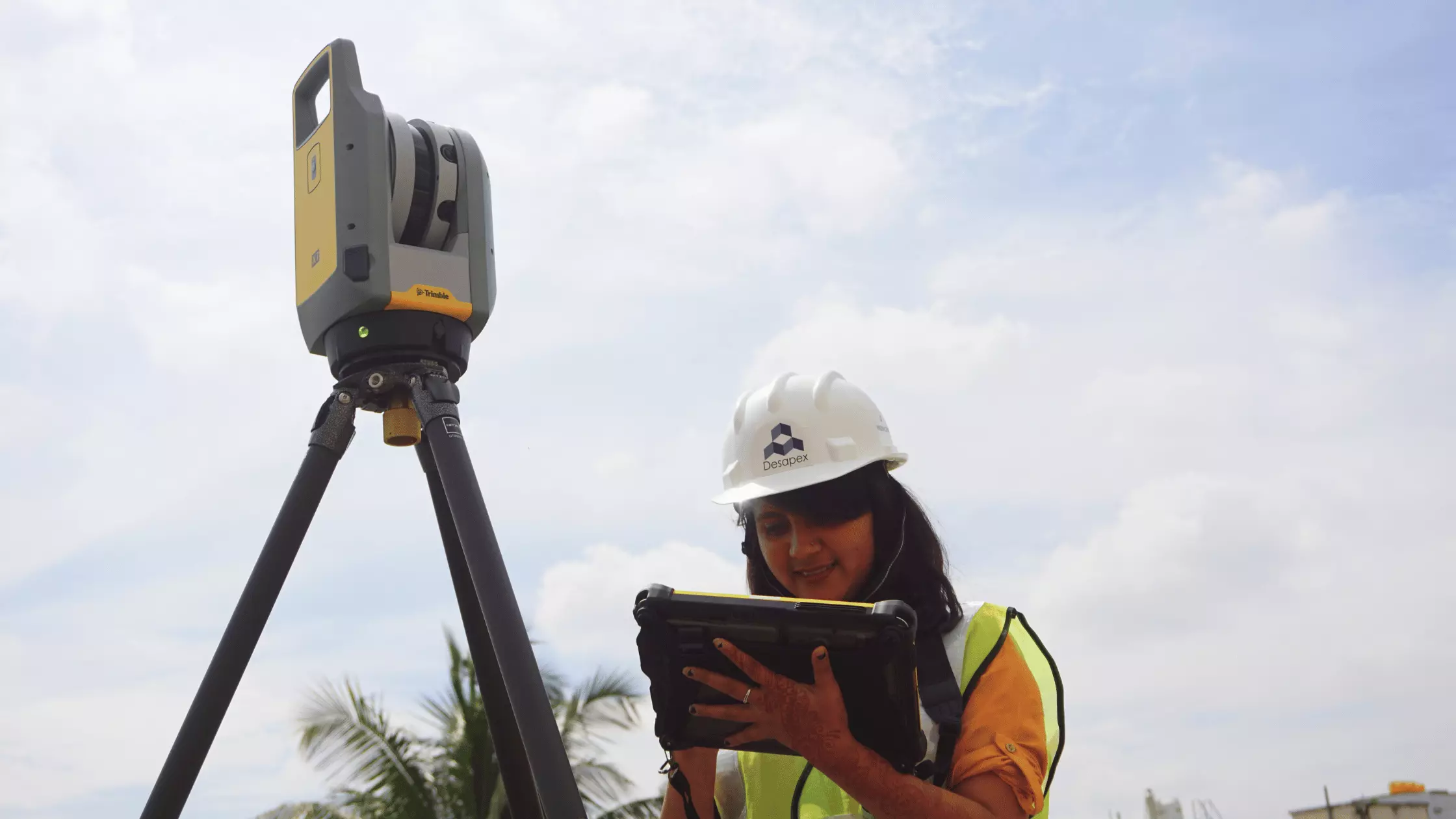
Data Processing
Even in difficult, non-linear building projects, AI systems can aid in identifying and quantifying progress. AI is able to forecast task durations by training machine learning models on historical data and comparing predicted task durations to actual task progress. Stakeholders in the project may be able to recognize potential delays or concerns early on and take appropriate action as a result.
Data Visualization
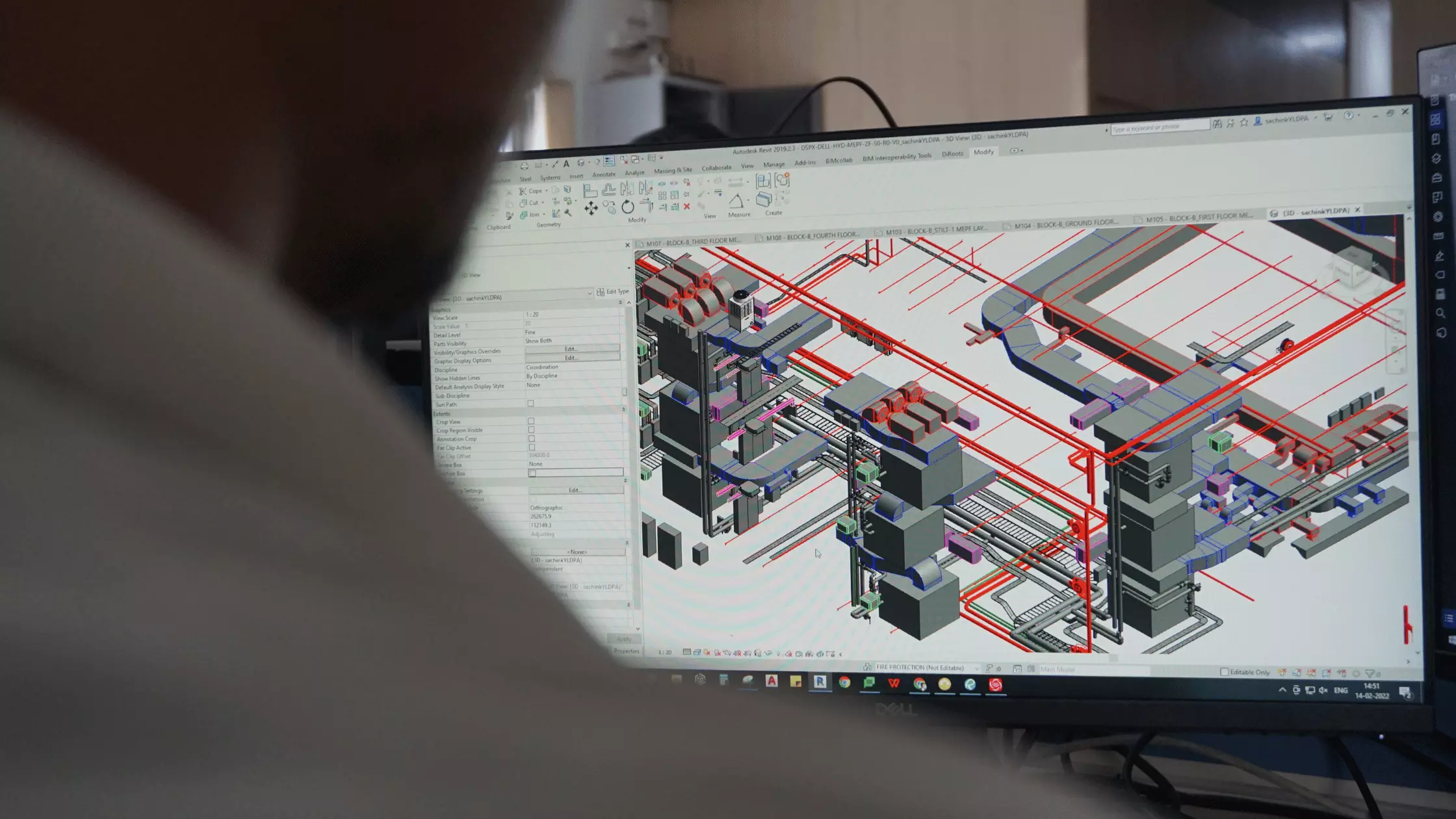
Data visualization is a critical part of construction progress monitoring using AI. By visualizing data, project managers can track progress, identify trends, and make informed decisions to optimize resources and ensure project completion on time and within budget. Visualization techniques include time-lapse videos to provide a visual representation of the construction project over time, 3D models created using BIM data, and graphs and charts to visualize data such as labor hours, equipment usage, and construction milestones.
Images of visual dashboard, scan to bim model comparison dashboard.
Standardization of Data Collecting and Processing Techniques:
Standardization of data collecting and processing techniques is necessary to guarantee data consistency and comparability across various projects. Using BIM, a standardized method for data gathering and processing in the building industry, helps increase data consistency and comparability.
More education and knowledge of the potential benefits and applications of the technology among industry stakeholders is necessary for the widespread adoption of AI in construction progress monitoring. This can promote industry adoption of AI technologies and assist in overcoming any reluctance to adapt.
Case Study
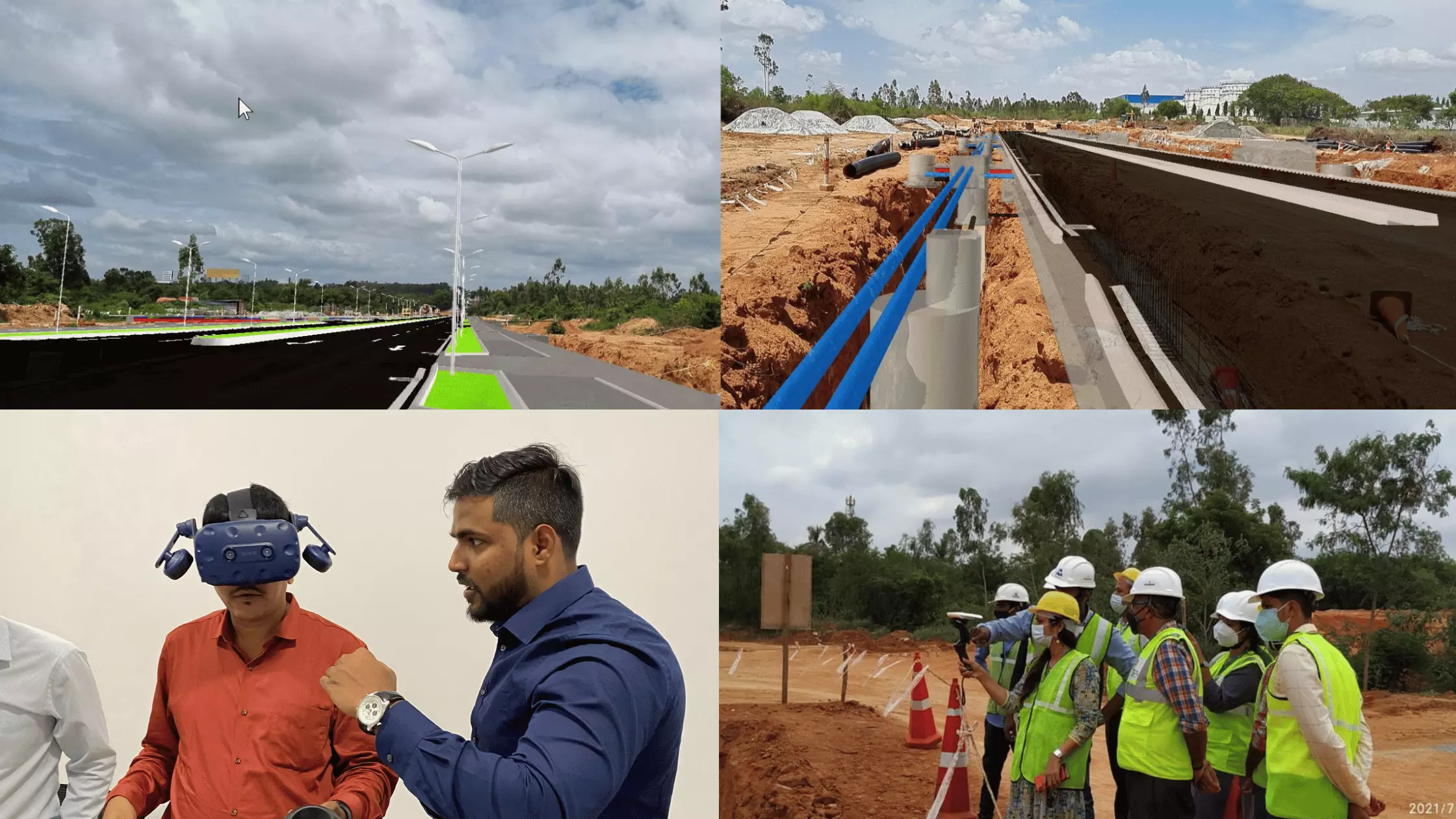
The client was coming up with an internal road project with underground utilities. The Design team mainly worked on 2d drawings. So here the client wanted to develop a BIM model and implement the 4d simulation.
They wanted to track the project with reality capture and visualize the progress with AR/VR.
So here the Scope of our work was to provide BIM model development and Construction progress reporting using Reality capture and visualization using AR/VR.
So, we came up with this solution that is during the design phase of the project, we implemented the ISO 19650 BIM framework and created a BIM model from the 2d drawings, resolving potential clashes and breaking the model as per the master schedule for 4d simulation.
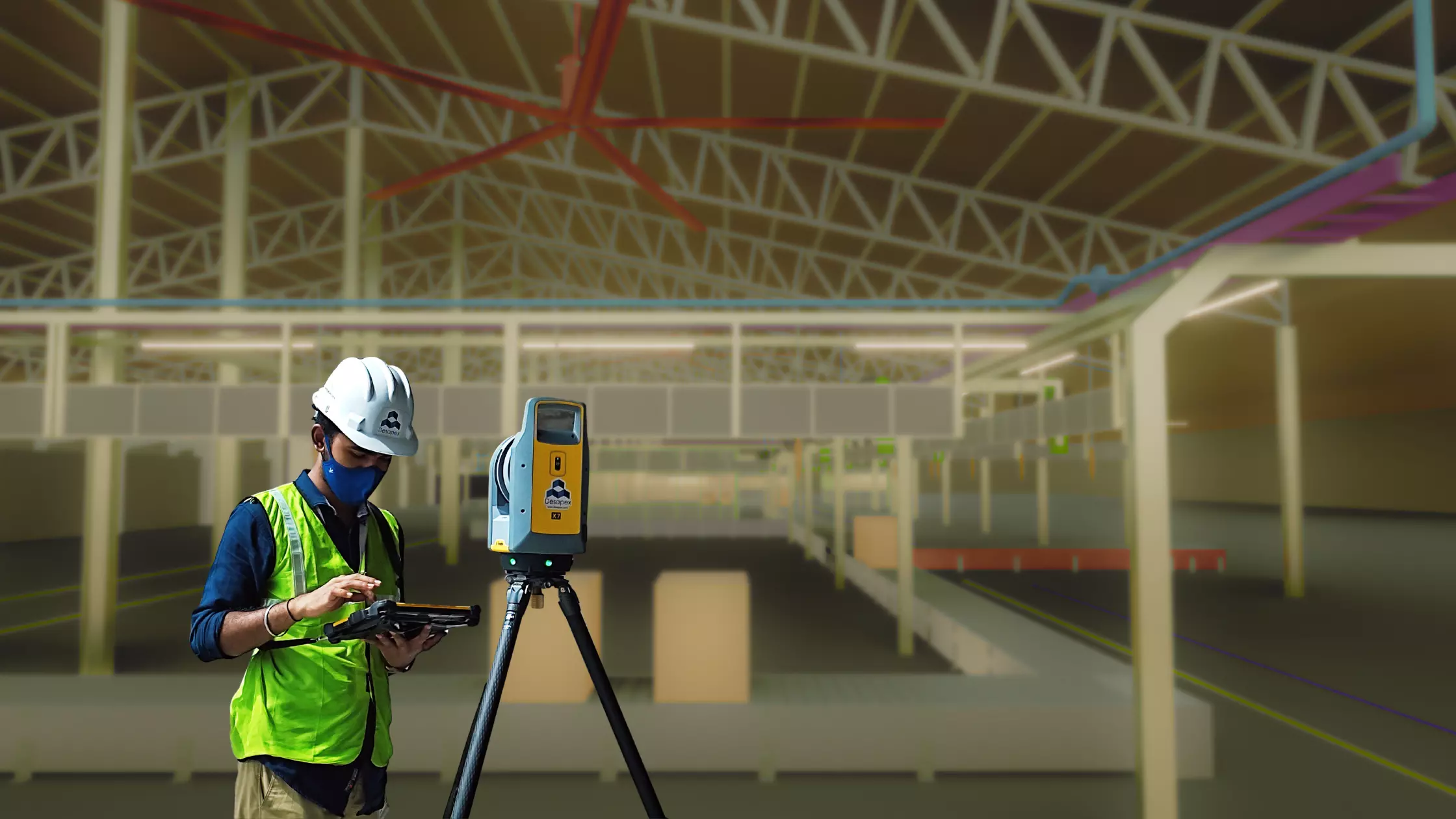
During the construction phase of the project, we used a laser scanner to scan the site for as-built conditions and reflected the progress in the BIM model.
As seen on the screen, the planned works as of 14th July were to complete roughly about 460 meters of stormwater drain i.e., PCC. raft, side walls, and top slab.
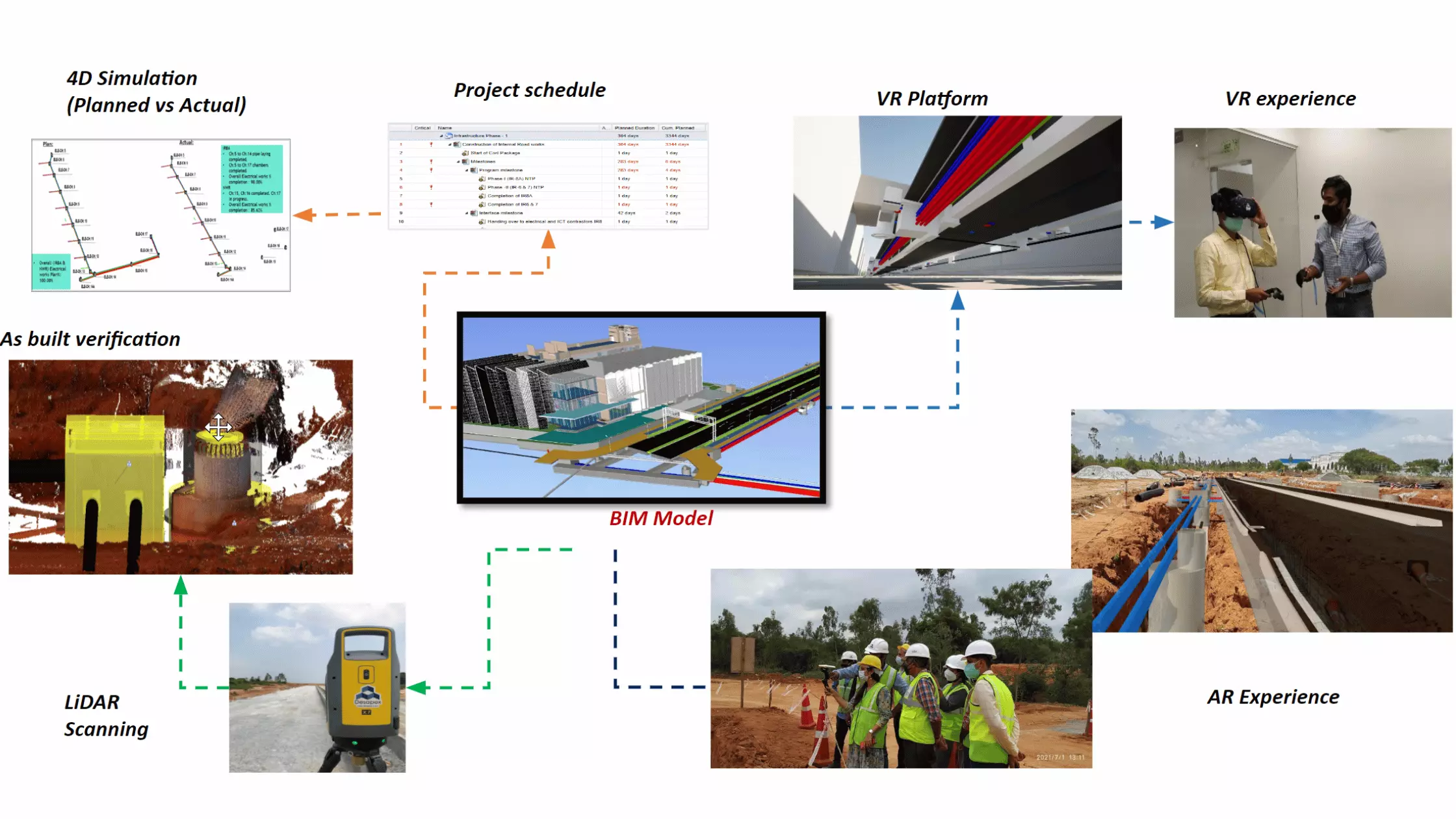
But, when the field was scanned and compared with the actuals, it was brought to the client’s notice that only 60 meters of the overall work, 200m of raft works, and 90% of side walls are completed.
I would like to now show some of the model vs onsite comparison which was performed using Augmented Reality, to validate design model-based field construction.
You can clearly see that the catch basin which was supposed to be here is actually casted a few inches to the left causing further connection and service coordination issues.
Very glad to say, that the client was able to identify this deviation before the services were installed on the field. Without this, there would be a significant amount of rework on site.
You can see the images on the screen to find multiple instances of how, continuous progress monitoring and reporting, helped our client to reduce rework on site.
This was the entire project design model augmented on the real environment for planning and execution use cases. This is right here in Bengaluru and very proud to say that the client was satisfied with the tools and technologies implemented to support their project.
Future of AI in the Construction Industry

Based on current research and industry trends, it is evident that AI has significant potential for use in construction progress reporting.
AI technologies such as machine learning and computer vision can be used to analyze and interpret various types of data, including images and sensor data, to provide real-time information on construction progress.
Another way AI is being used in construction progress reporting is through the analysis of sensor data. Sensors can be installed on construction equipment, materials, and structures to collect data on various aspects of construction progress, such as temperature, humidity, and vibration.
Machine learning algorithms can be used to analyze this data and provide insights into construction progress, as well as identify potential issues that need to be addressed.
AI technologies have the potential to revolutionize construction progress reporting by providing real-time data and insights into construction progress.
By leveraging AI technologies such as computer vision and machine learning, construction companies can improve the efficiency of their operations and reduce the risk of delays and cost overruns.
Conclusion
In conclusion, AI has several advantages for tracking construction progress, including enhanced precision and effectiveness, improved communication and transparency, and a reduction in the time and expense associated with manual tracking and reporting. Construction progress monitoring can be transformed, and project management can be enhanced, by integrating several data sources, using AI algorithms and models, and using standardized data gathering and processing techniques.