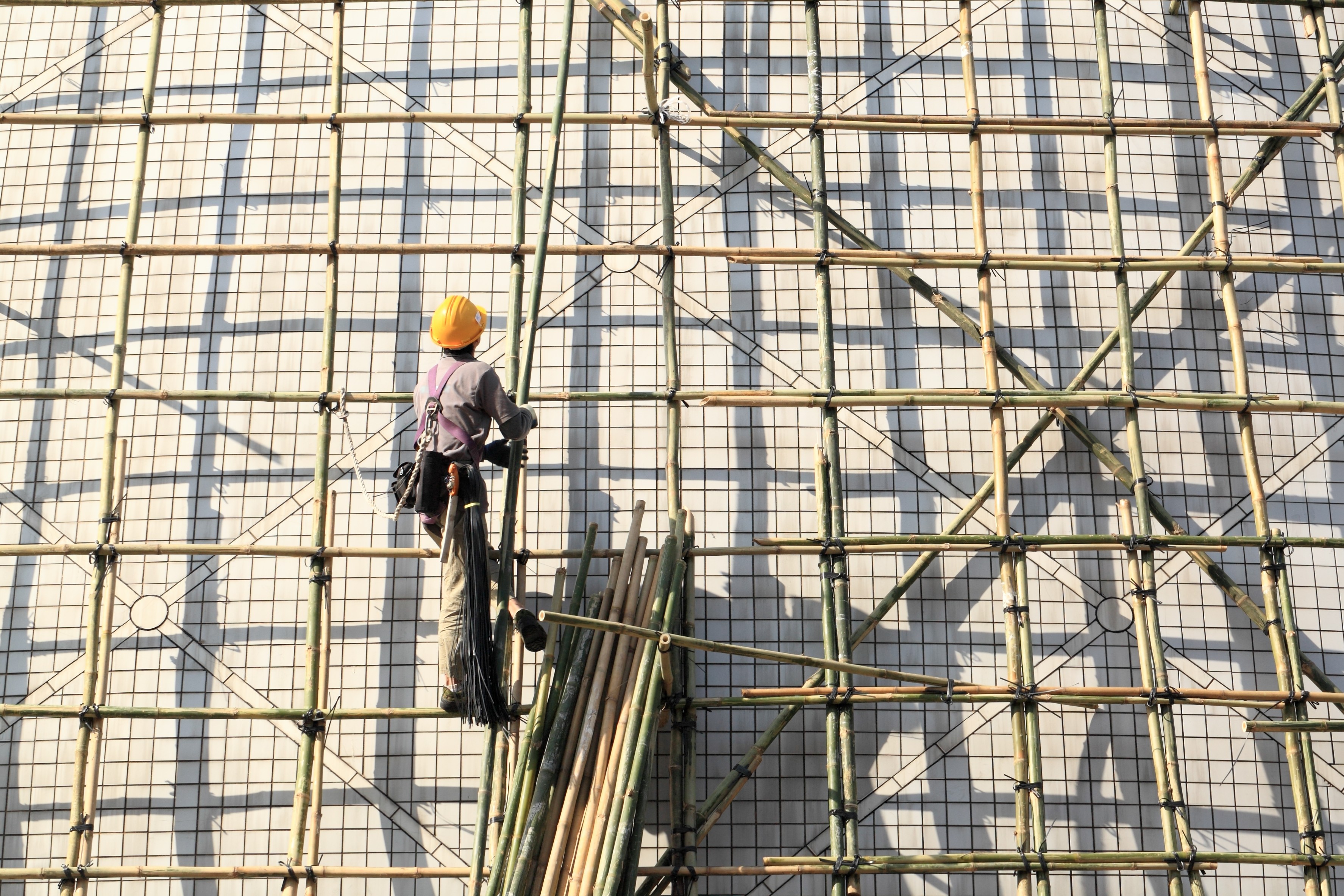


Bamboo is one of the oldest traditional building materials used by mankind. As the largest members of the grass family, bamboos are also the fastest-growing plants in the world capable of growing up to four feet in just 24 hours. Bamboos hold significant economic and cultural importance in South Asia, Southeast Asia, and East Asia. They are used extensively for building materials, as a food source, and as a versatile raw product.
With a compressive strength higher than that of wood, brick, or concrete, and a tensile strength that rivals steel, bamboo is gaining recognition as a green building material and is increasingly used as a sustainable alternative in construction.
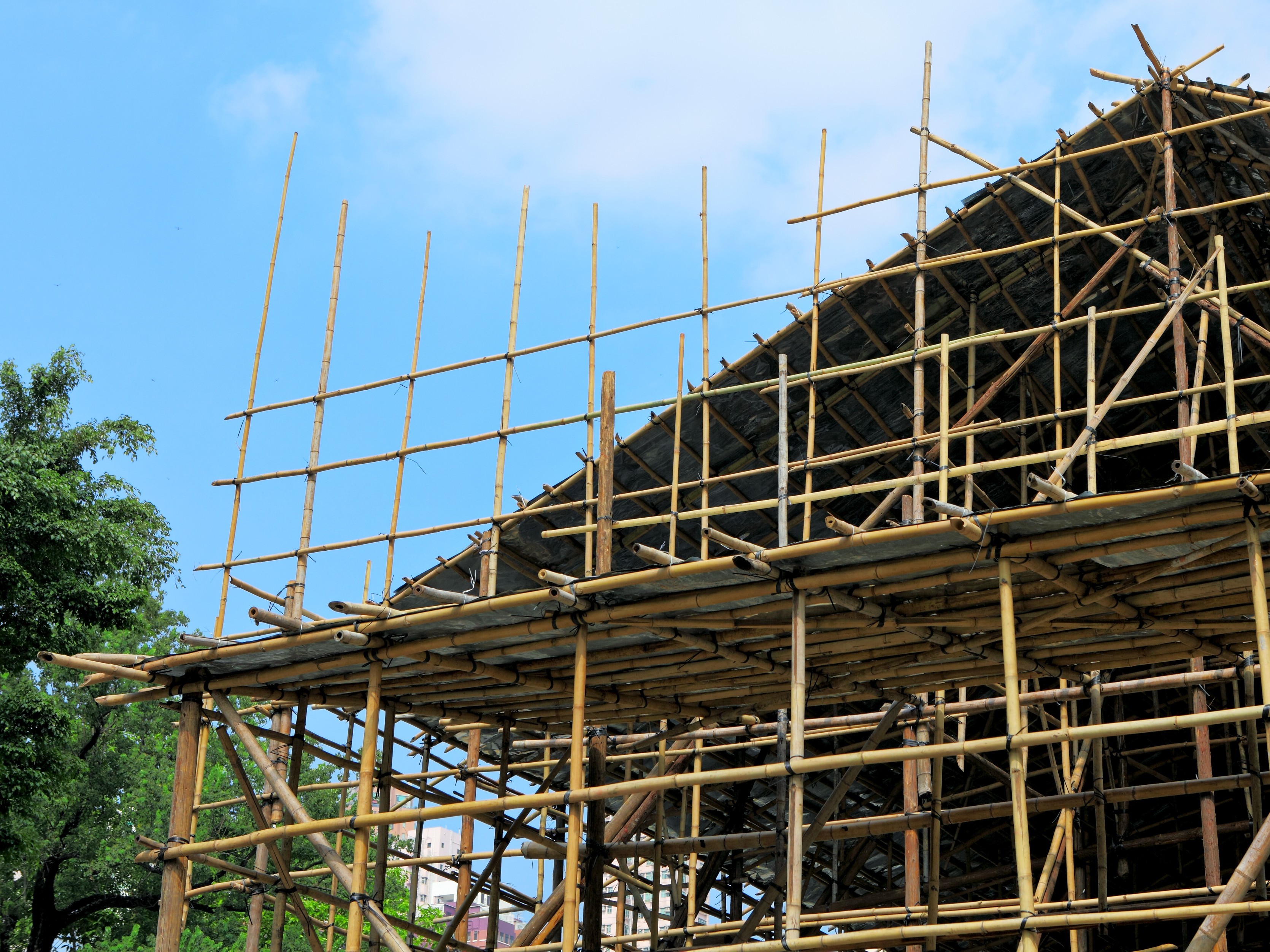
What is Bamboo as a Material?
Bamboo is a collective name for various species of giant grasses. It is estimated that there are 60–90 genera of bamboo, comprising approximately 1,100–1,500 species, which vary in size and form. Bamboo primarily grows in tropical regions of Asia, Latin America, and Africa.
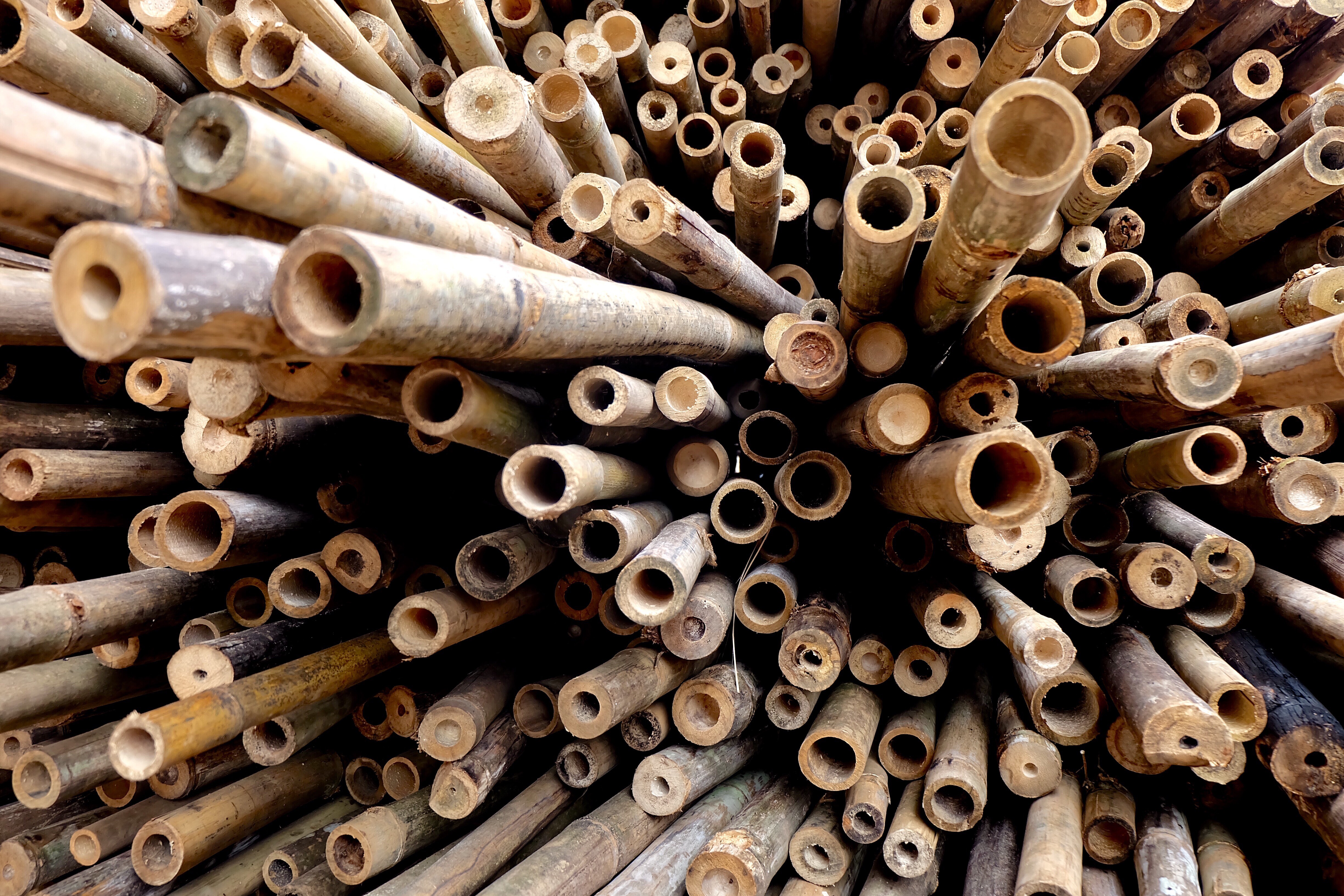
As a construction material, bamboo has solid fibers and remarkable strength properties. Its compressive strength is about twice that of concrete, and its tensile strength is comparable to that of steel. Experimental studies have shown that the ultimate tensile strength of bamboo and mild steel ranges between 140 N/mm²–280 N/mm².
Assessment of Bamboo as a Sustainable Material
The production of conventional building materials emits significant amounts of ozone-depleting chlorofluorocarbons. With the global population expected to rise by 21.3% between 2030 and 2050, the demand for construction materials will inevitably increase. This calls for a shift toward eco-friendly solutions to protect our ecosystem.
Bamboo emerges as a promising alternative due to its rapid growth, low processing requirements, and minimal carbon footprint. Bamboo is recyclable and has zero carbon emissions during manufacturing. It also offers good thermal properties, such as heat protection and insulation. Furthermore, bamboo can be used as a biomass resource for renewable energy generation and decomposes naturally without leaving harmful residues.
Technological Advancements in Bamboo Material
Advanced uses of bamboo in construction:
3D Printing: Automated fabrication and 3D printing with bamboo can enhance efficiency and reduce waste.
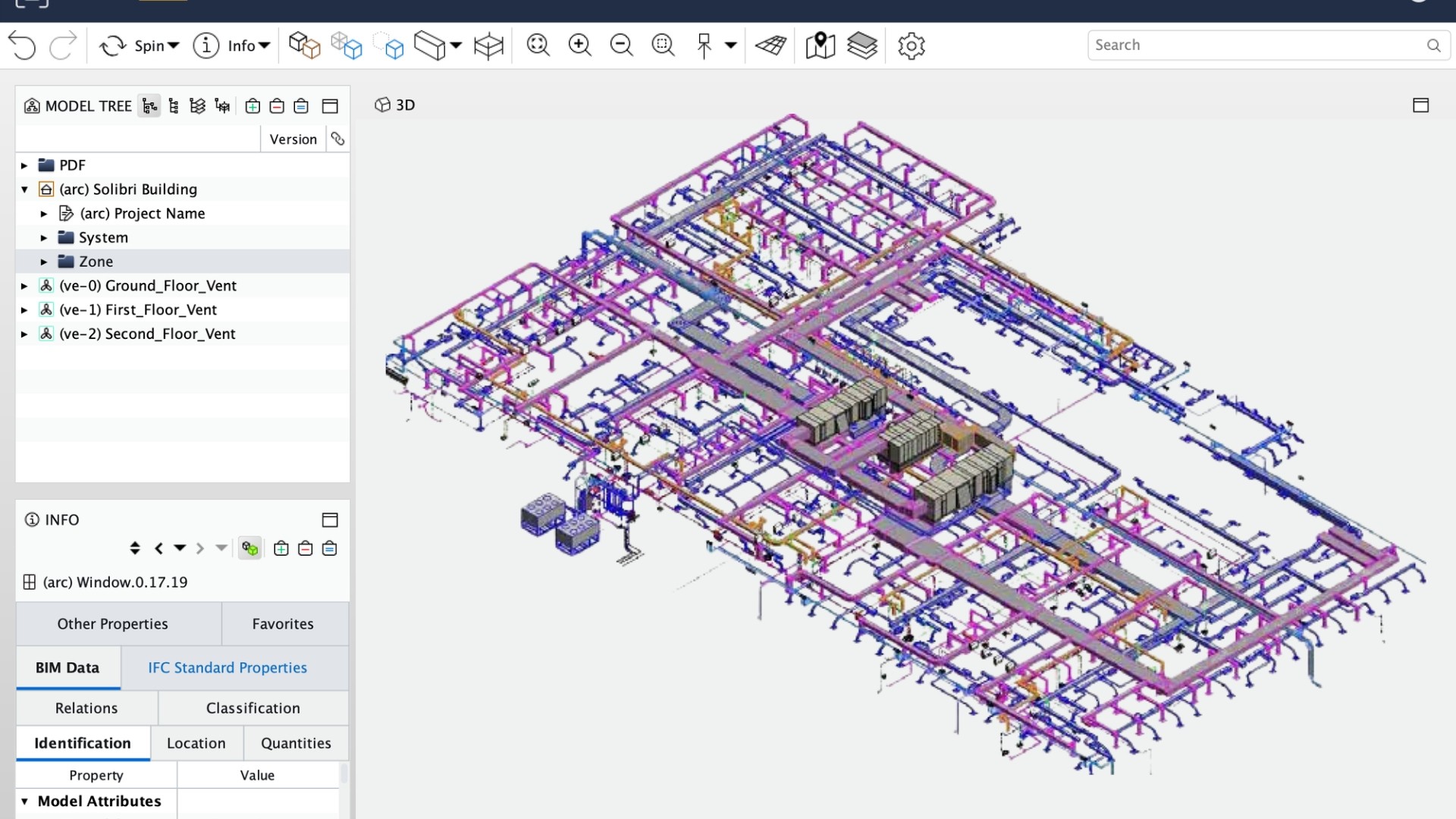
Monitoring Systems: Sensors and data analytics can monitor the condition and durability of bamboo structures.
VR/AR/MR Applications: Virtual and augmented reality tools assist in visualizing and understanding bamboo-based structures.
Predictive Maintenance: Historical data analysis helps anticipate deterioration and schedule maintenance effectively.
Advantages and Disadvantages
The following table presents a comparative overview of the advantages and disadvantages of bamboo as a construction material. It highlights its structural, environmental, and economic benefits, alongside the material-specific challenges that may affect its performance, durability, and applicability in modern construction practices.
Advantages | Disadvantages |
|---|---|
Lightweight, sturdy, and versatile | Susceptible to fire |
Eco-friendly and sustainable | Complex joining due to round shape |
Cost-efficient compared to conventional materials | Reduces in diameter and weight along its length |
Self-renewing and fast-growing resource | High water absorption capacity |
Highly productive biomass | Difficult to achieve uniform cross-sections for large spans |
Suitable for earthquake-resistant construction | Poor resistance to fungi and bacteria |
Easy to repair, cut, and handle with basic tools | Requires treatment to prevent loss of strength |
Applications in Construction
Bamboo is used in various construction applications:
Roofing
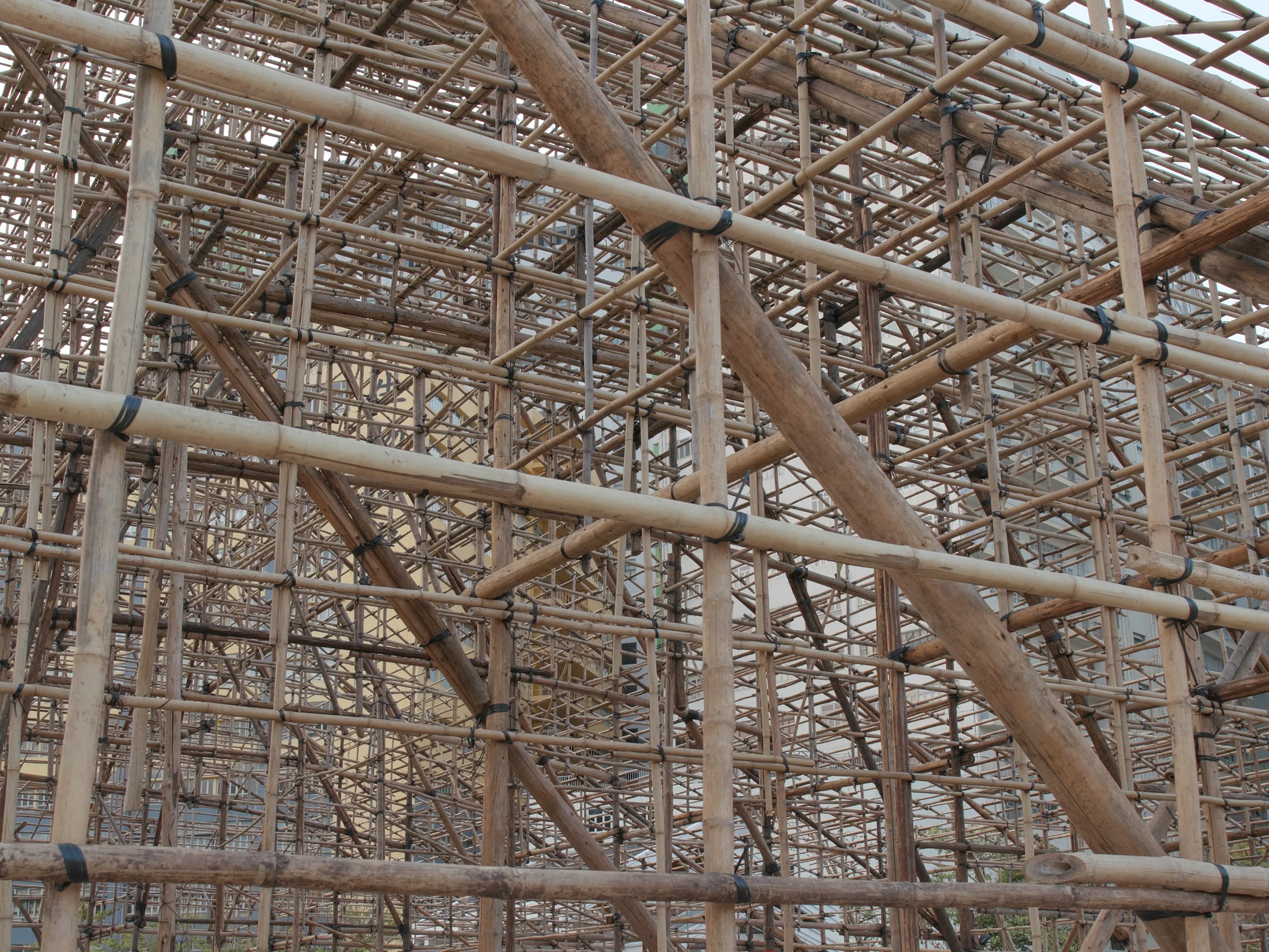
Scaffolding
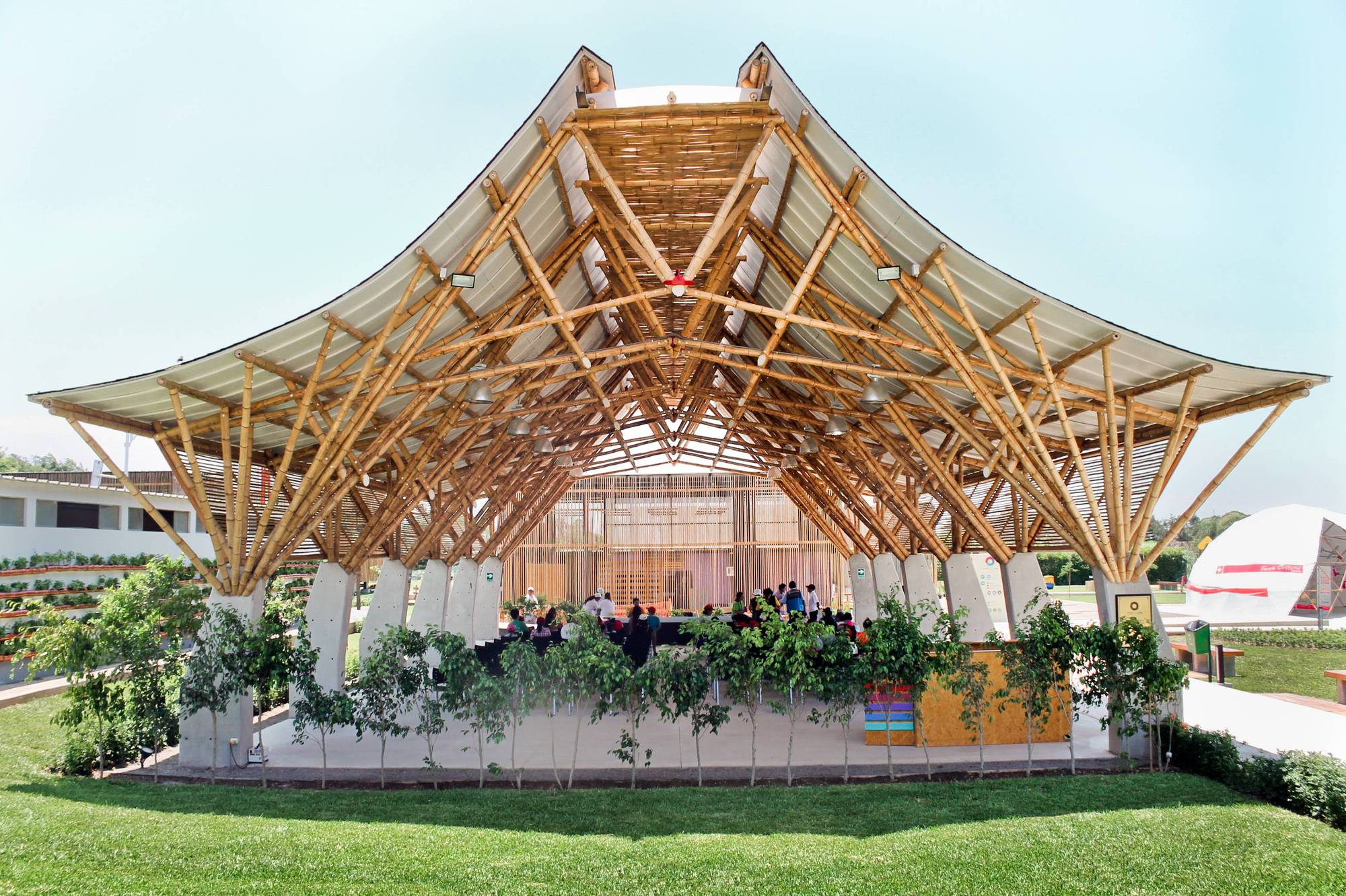
Arches and curved roofs
Bamboo-reinforced concrete
Bamboo slats and panels
Trusses/Roof Structures:
Bamboo rafters and purlins are used in constructing roof trusses. Bamboo’s strength and flexibility make it an excellent material for these applications.
Photography by Yann Barnet:
The first public auditorium built entirely with bamboo in Peru is located in the Ecological Park "Voices for Climate." It covers a roofed area of over 300 m².
Walls:
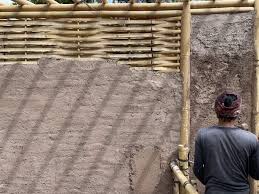
Walls made by combining bamboo with lime or mud offer flexibility, aesthetic appeal, faster construction, and lightweight benefits. These structures are durable and suitable for various climate zones.
Conclusion
With the increasing global carbon footprint, there is an urgent need to replace conventional construction materials with sustainable alternatives. Bamboo, with its exceptional green-building characteristics, offers immense potential in creating eco-friendly buildings. Its ability to reduce environmental impact while delivering structural performance makes it a valuable material in modern sustainable construction.