
Client Segment:
Vertical:
The Challenge
Managing a portfolio of 8+ million sq. ft. across multiple cities in South and West India, the client was executing several high-rise residential, mixed-use, and commercial projects in parallel. As teams and consultants scaled, the lack of standardization and real-time visibility became a major constraint. Drawing management was fragmented across emails, shared drives, and manual Excel trackers, with no consistent revision control or approval tracking. This led to rework due to outdated drawings, delayed approvals, increased coordination risk, and slow, reactive decision-making. The client needed more than document storage they required a centralized, intelligent digital environment to enable transparency, coordination, and effective project control.
Client’s Initial Hurdles
Projects at different lifecycle stages
Multiple consultants per project
PMC and contractor teams working in silos
No unified naming or folder structure
No cross-project dashboard
Manual tracking of over 5,000+ drawing files across active projects
Each project operated independently, without standardized governance.
Why This Was Critical
Why was centralized control necessary?
In large, multi-project developments, outdated drawings can lead to coordination clashes and costly rework. With rework accounting for 5–15% of project cost, centralized control was essential to reduce risk and maintain consistency across the portfolio.
Why move away from manual systems?
Manual tracking cannot support real-time revision control, audit trails, SLAs, or portfolio dashboards. A centralized Common Data Environment enables faster approvals, reduced rework, and improved productivity delivering clear cost, time, and risk savings.
Why was real-time visibility essential?
Leadership needed real-time insights into portfolio health, consultant performance, milestones, and early warning signals for delays. Without structured dashboards, decision-making remained reactive and delayed.
What Would Success Look Like?
Success meant implementing a centralized Common Data Environment with automated revision and approval workflows, standardized governance across projects, real-time executive dashboards, and measurable reductions in approval turnaround time.
Gaps in Existing Information
Drawings scattered across emails and local drives
No reliable mapping of revisions
No SLA tracking
No cross-project visibility
No structured metadata tagging
There was no unified system to:
Validate submission status
Monitor review cycles
Track discipline-level performance
Consolidate reporting across projects
Why Specific Requirements Mattered
Phase 1 (4 weeks) - Assessment & Blueprint Design
Phase 2 (6 weeks) - Platform Configuration & Pilot Deployment
Phase 3 ( 8–10 weeks) - Multi-Project Rollout
Phase 4 (2 Weeks) - Dashboard & Adoption Enablement
The Desapex Solution
Desapex implemented a structured digital governance framework using Autodesk Construction Cloud.
Governance Blueprint
Standardized folder hierarchy
ISO 19650-aligned workflows
Naming convention enforcement
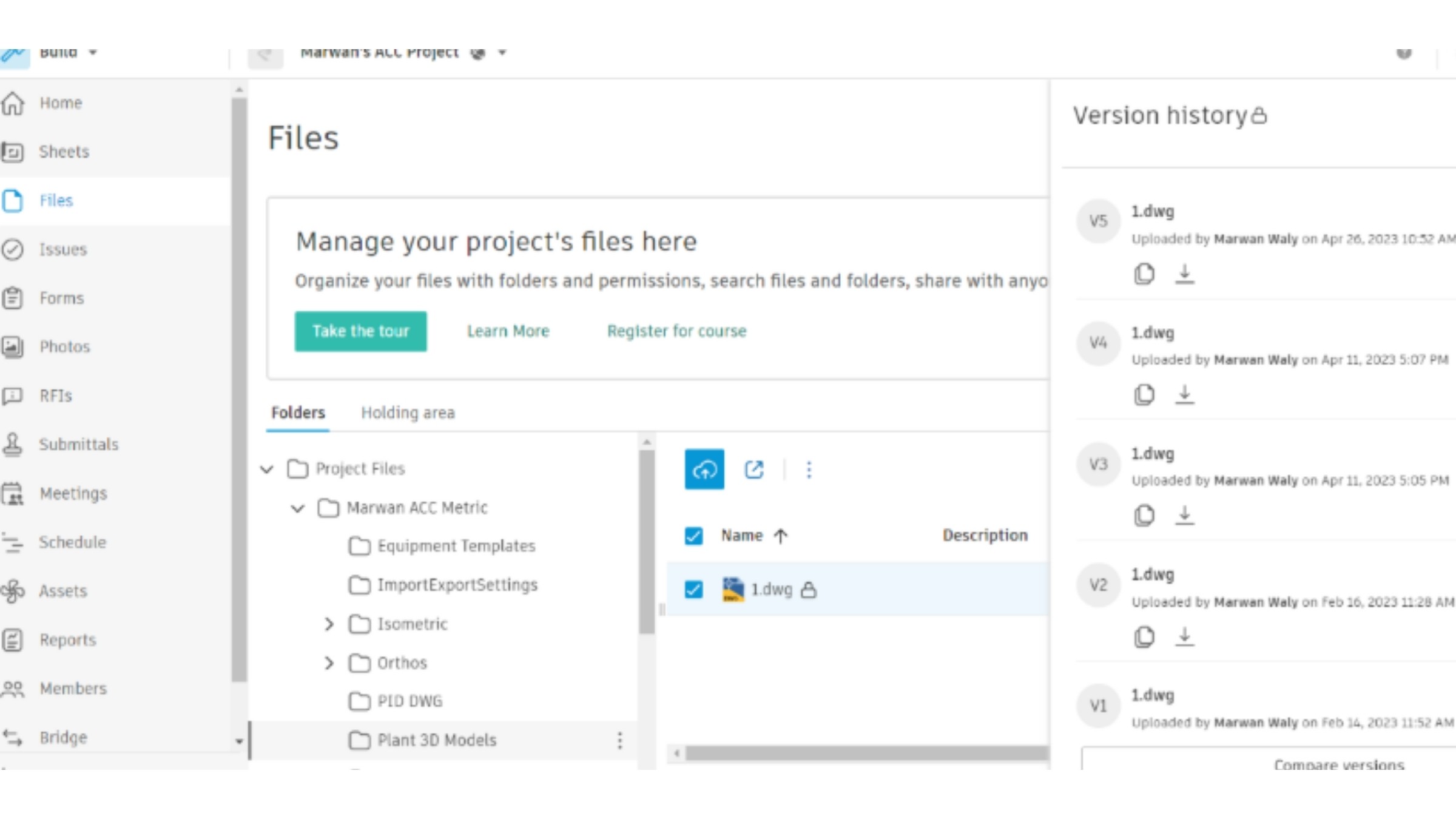
Revision control logic
Role-based access matrix
SLA-based approval tracking
This created a scalable template applicable to all current and future projects.
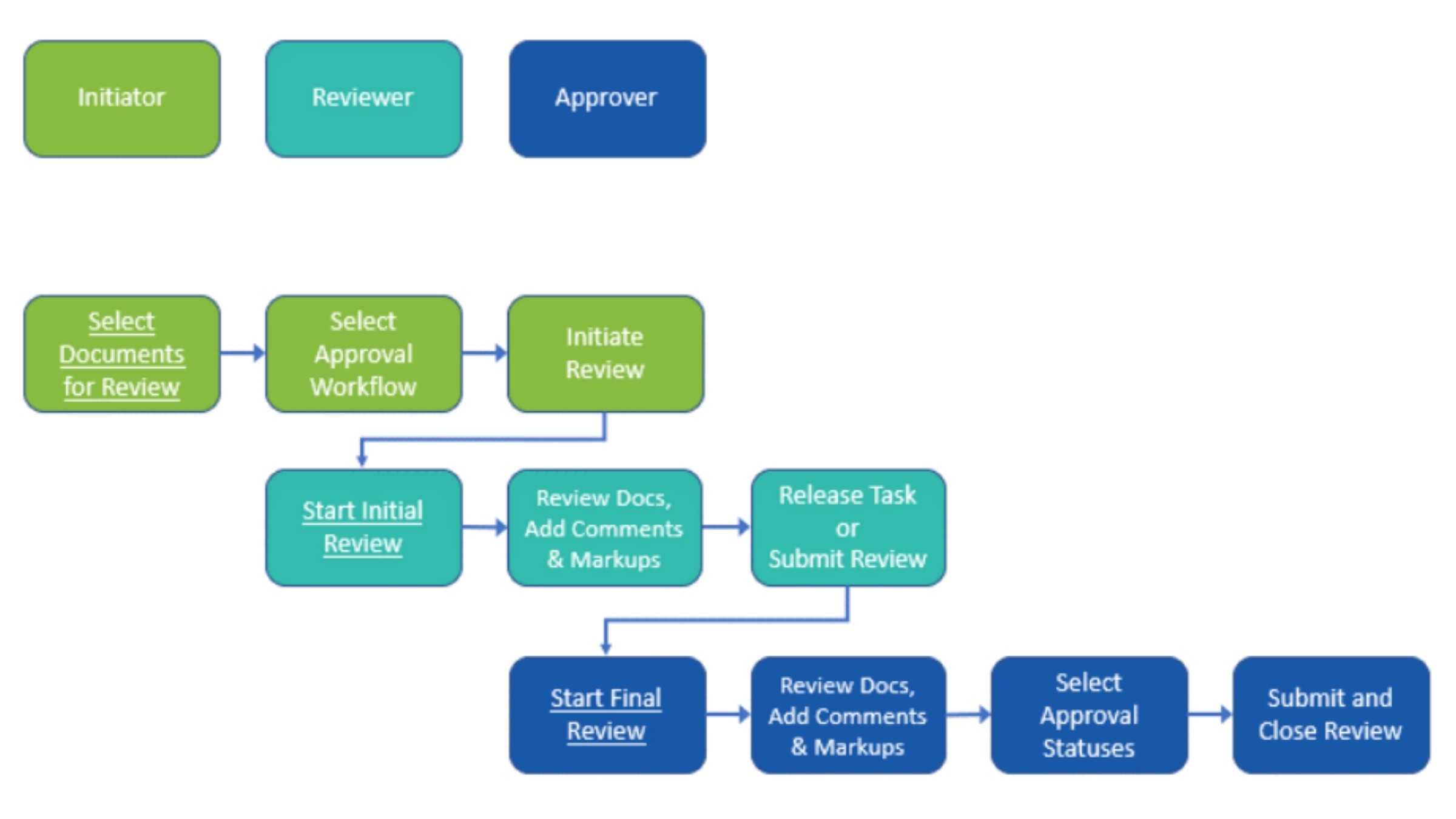
2. Centralized Drawing Management
3. Real-Time Dashboard & Portfolio Monitoring
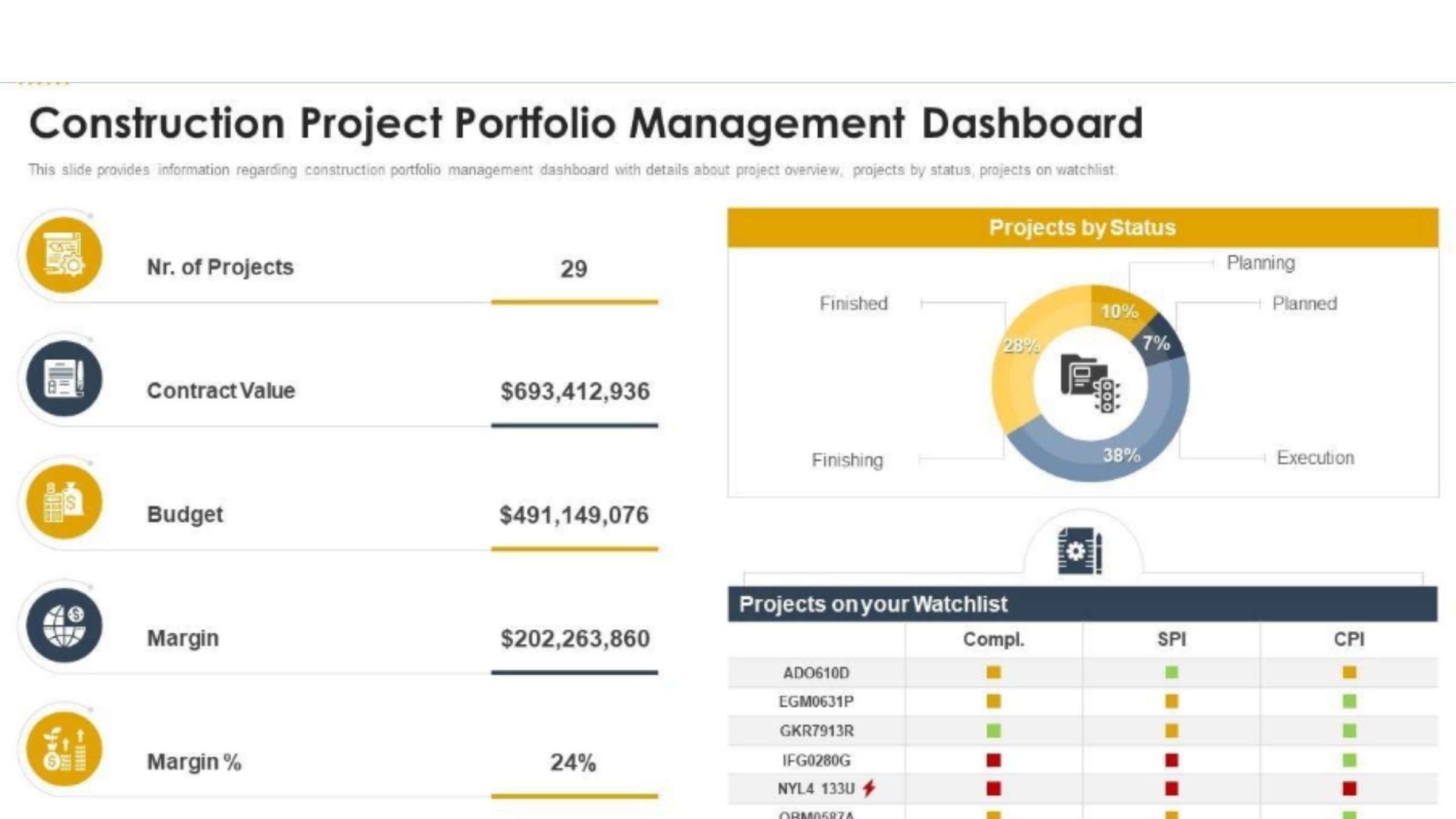
Dashboards enabled:
Live drawing submission tracking
Approval backlog visibility
Average review turnaround metrics
Issue closure trends
Milestone progress tracking
Cross-project portfolio summaries
4. Configured Capabilities:
Automated version control with WIP → Shared → Published workflows
Digital markups, review logs, and submittal workflows
Mobile site access with full audit trails
Measured & Expected Impact
30–40% faster drawing retrieval
25% quicker consultant review cycles
Fewer revision errors and improved accountability through traceability
Project Timeline & Milestones
Phase 1 (4 weeks) - Assessment & Blueprint Design
Phase 2 (6 weeks) - Platform Configuration & Pilot Deployment
Phase 3 ( 8–10 weeks) - Multi-Project Rollout
Phase 4 (2 Weeks) - Dashboard & Adoption Enablement
Software & Technology Used
Autodesk Construction Cloud – Document & workflow management
Autodesk Build – Field coordination
Power BI – Executive dashboards
ISO 19650-aligned governance model
The Real Business Value Delivered
Following implementation, the client achieved
30–40% reduction in document search time
25% faster approval turnaround
Up to 50% reduction in drawing-related rework risk
Real-time portfolio visibility
Faster executive decision-making
Improved efficiency through standardized governance
Reduced coordination errors with a unified digital backbone
What This Means for Future Projects
This initiative became more than a document control upgrade.
It established:
A scalable governance template
A centralized digital backbone
A foundation for 4D/5D integration
A step toward enterprise-wide digital transformation
The portfolio now operates with measurable, data-driven project control.
The Bigger Impact
What began as a drawing tracking challenge evolved into a structural digital transformation milestone. By aligning governance, technology, and dashboards:
Transparency increased
Risk reduced
Productivity improved
Executive control strengthened
This engagement reinforced a powerful truth: When documentation becomes structured intelligence, project control becomes predictable.