

Factories are complex, congested, and constantly changing. Accurate knowledge of the “as-built” physical environment every machine, duct, cable tray, support, and clearance is the foundation for safe change, faster maintenance, and predictable upgrades. Reality capture (laser scanning, photogrammetry, mobile mapping) combined with a Scan-to-BIM workflow turns that physical complexity into a reliable, query able 3D digital twin. In this article for an internal factory audience, we explain what Scan-to-BIM is, how manufacturers use it (visualization, change validation, VR training, asset classification), measurable benefits for maintenance/ electrical/production teams, and practical guidance including how Desapex supports manufacturers on this digitization journey.
What is Scan-to-BIM / Reality Capture?
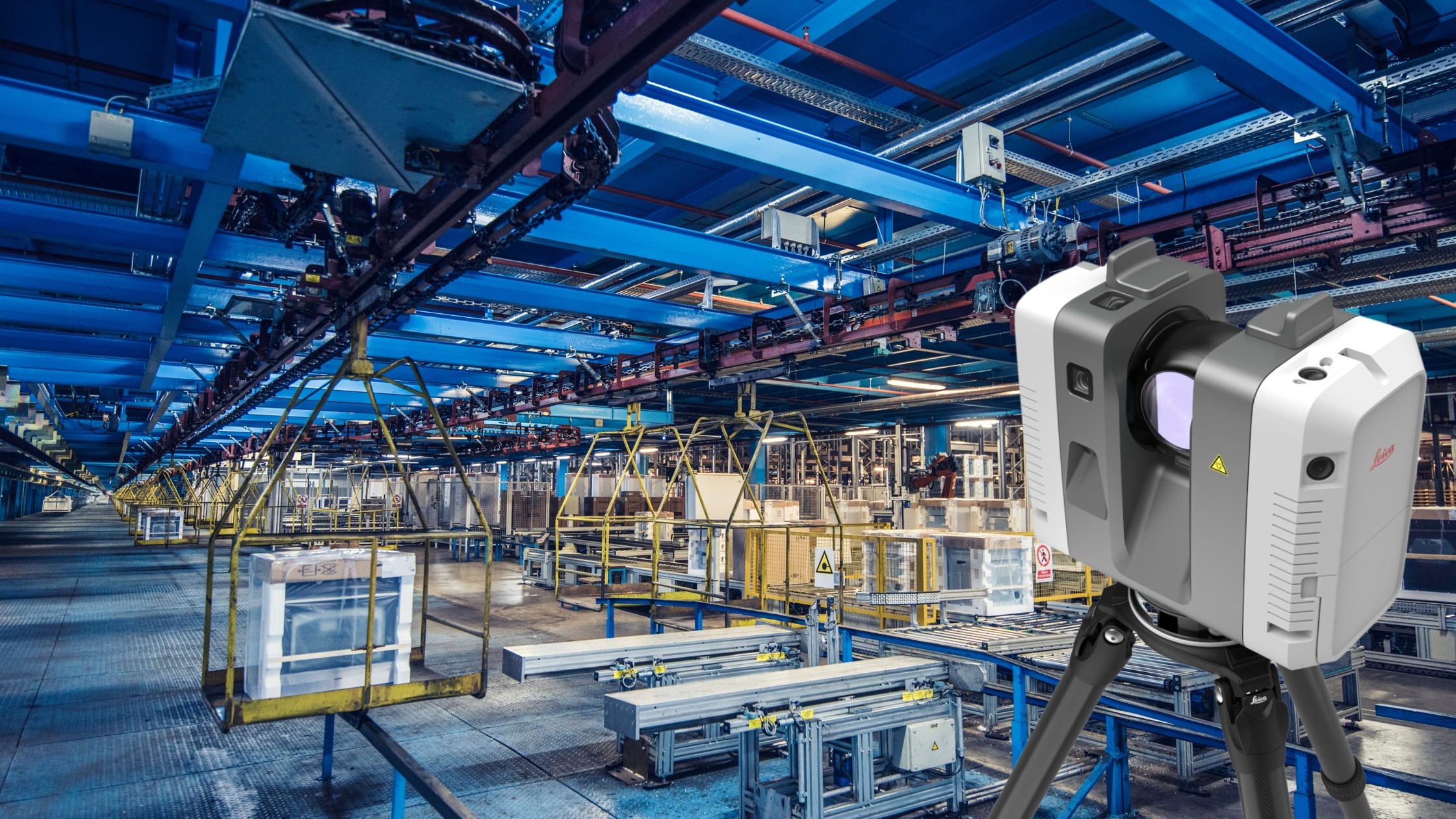
Reality capture is the family of technologies that record real-world geometry and appearance: terrestrial laser scanners (LiDAR), handheld scanners, drones with photogrammetry, and mobile mapping units. The raw output is typically a dense point cloud millions (or billions) of XYZ points with intensity/color that represents the factory as it exists today.
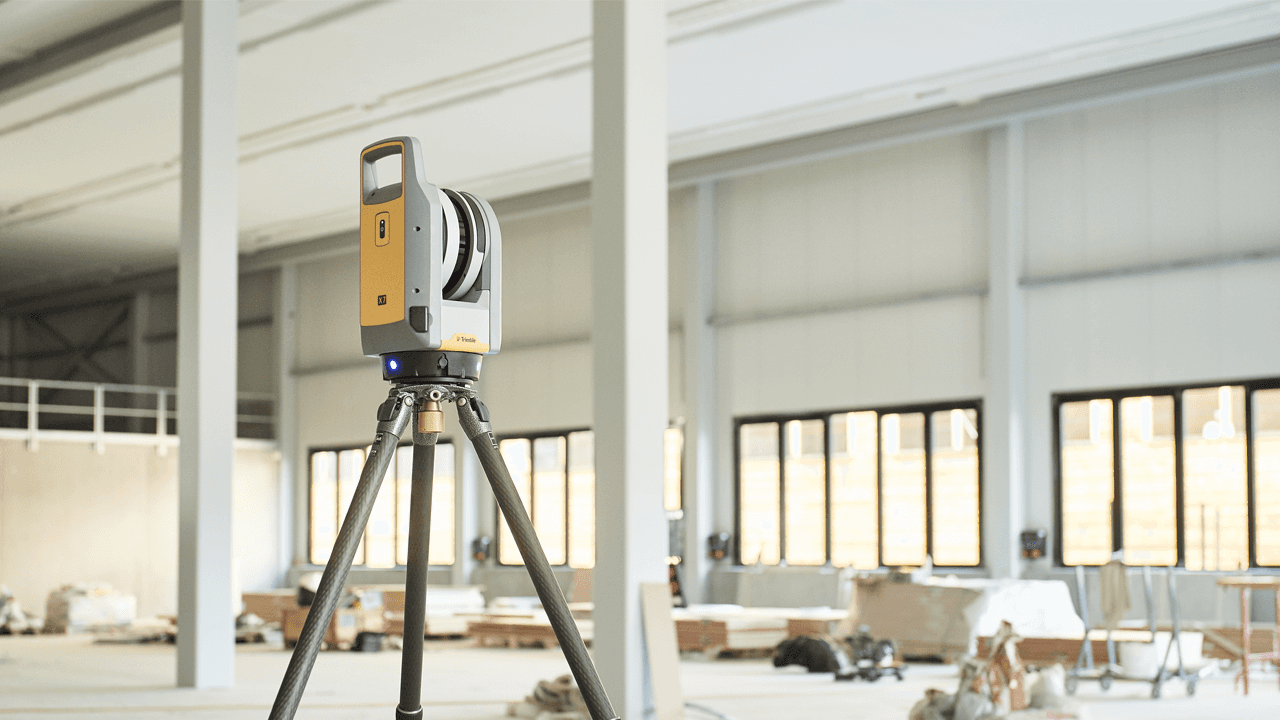
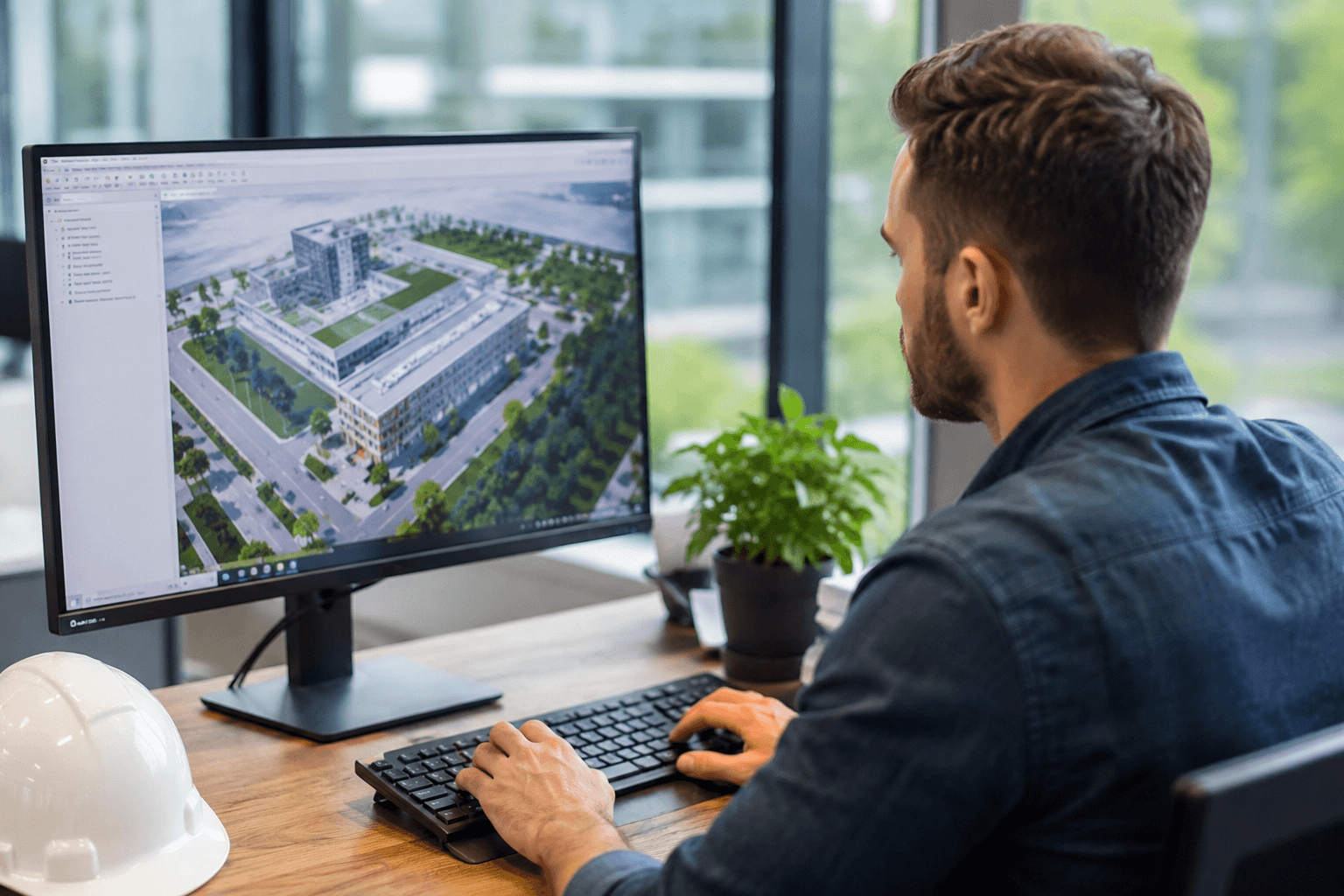
Scan-to-BIM is the workflow that converts those point clouds into a structured 3D Building Information Model (BIM) or factory digital twin: objects (machines, piping, ducts, cable trays) are modelled with metadata (asset IDs, serial numbers, maintenance records), tolerances and relationships, and exported in formats usable by CAD, plant-design, CMMS, or VR systems. This is not just 3D visualization it’s an information model you can query, clash-check, simulate, and integrate with operational systems.
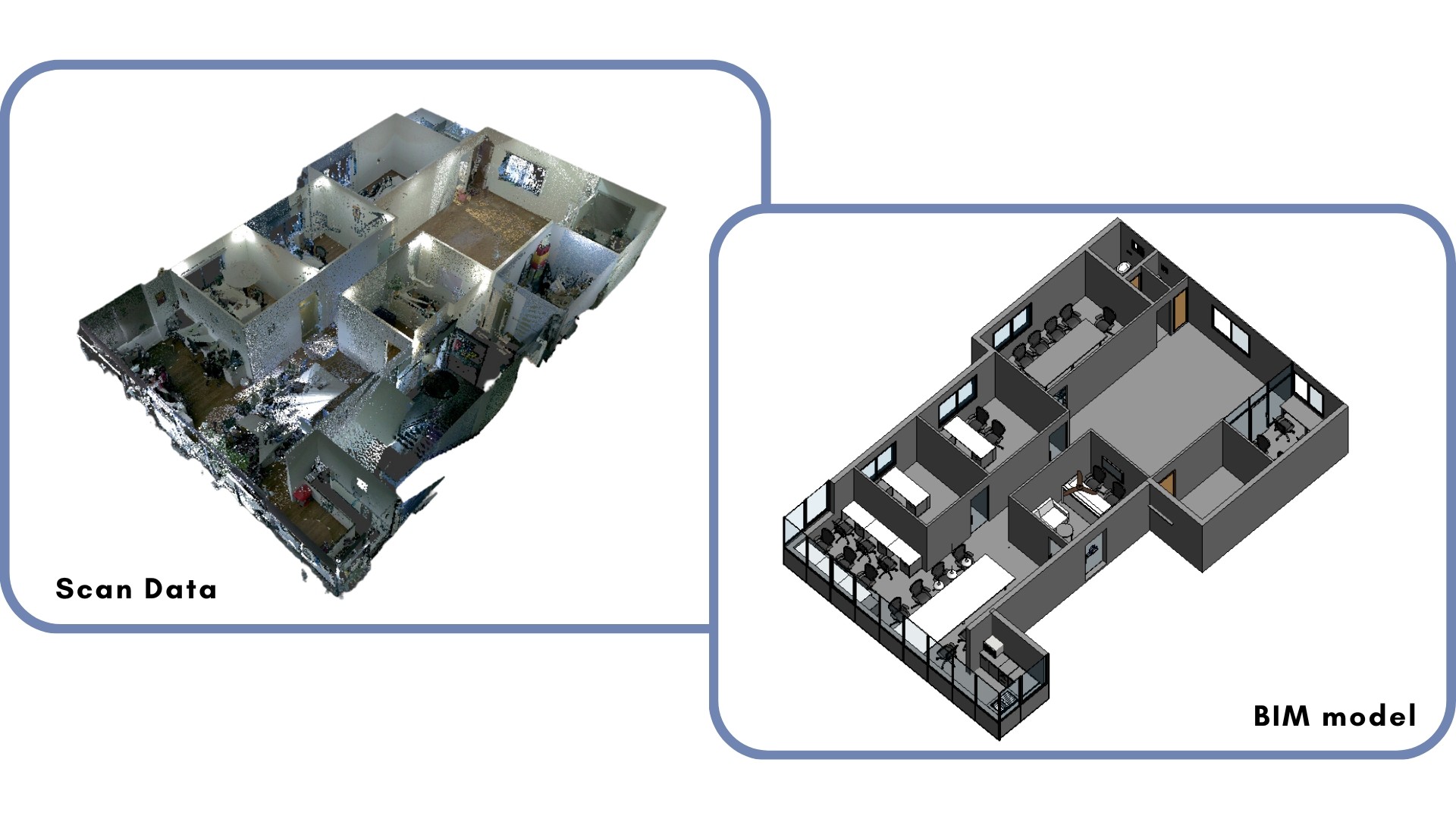
How factories use Scan-to-BIM practical workflows
The common factory use-cases and a short description of how the Scan-to-BIM process supports them:
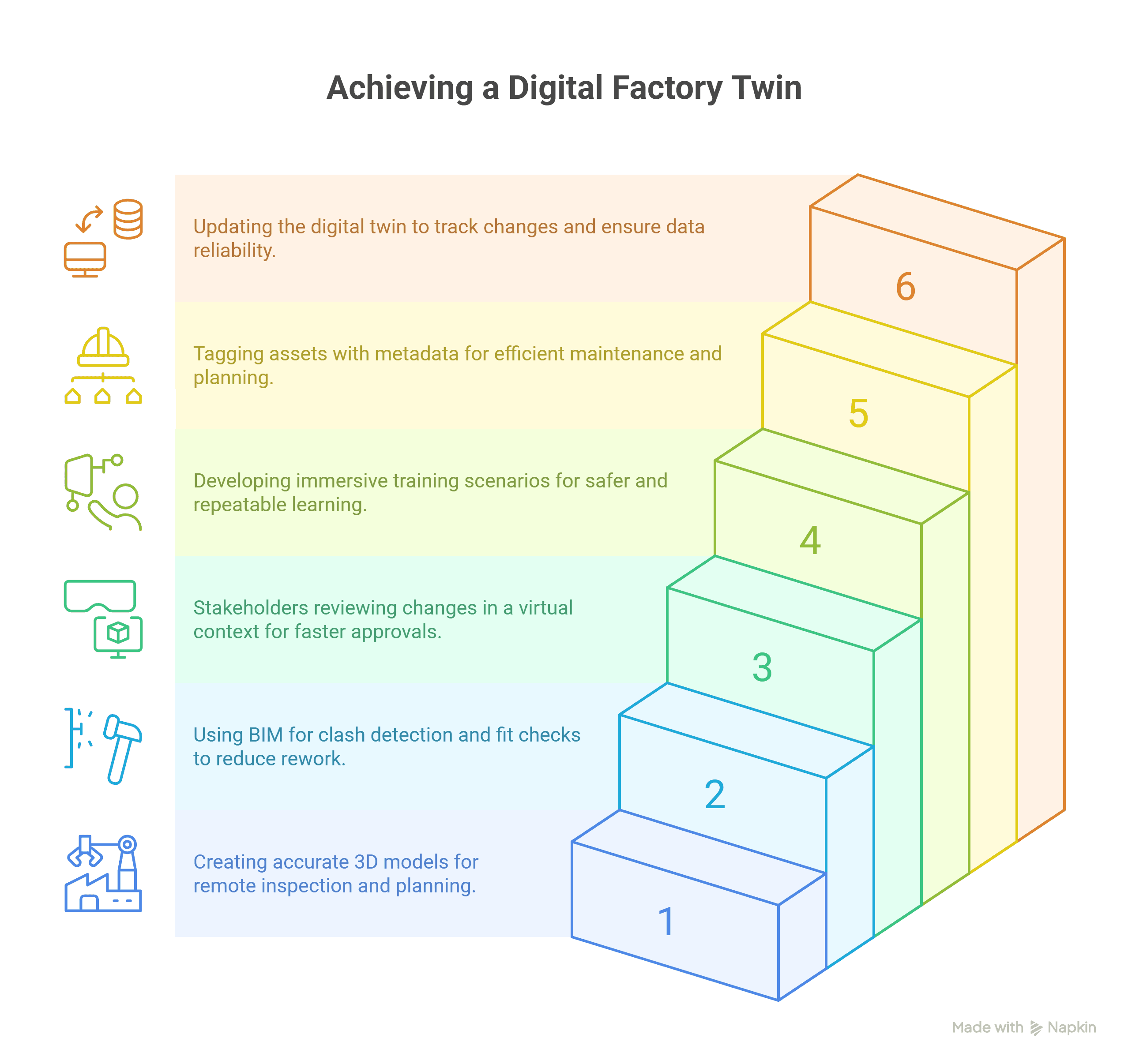
1) Visualizing the factory accurate digital twins
Scan the factory (stationary and mobile scanners, drones where permitted) → stitch scans into a single registered point cloud → generate an as-built 3D model. The result is a full-scale digital twin that can be navigated on desktop or in VR, letting planners and operators “walk” through congested areas before on-site work begins.
Value: eliminates surprises, enables remote inspection, and creates a single source of truth for cross-functional teams.
2) Analyzing and planning modifications (clash detection & fit checks)
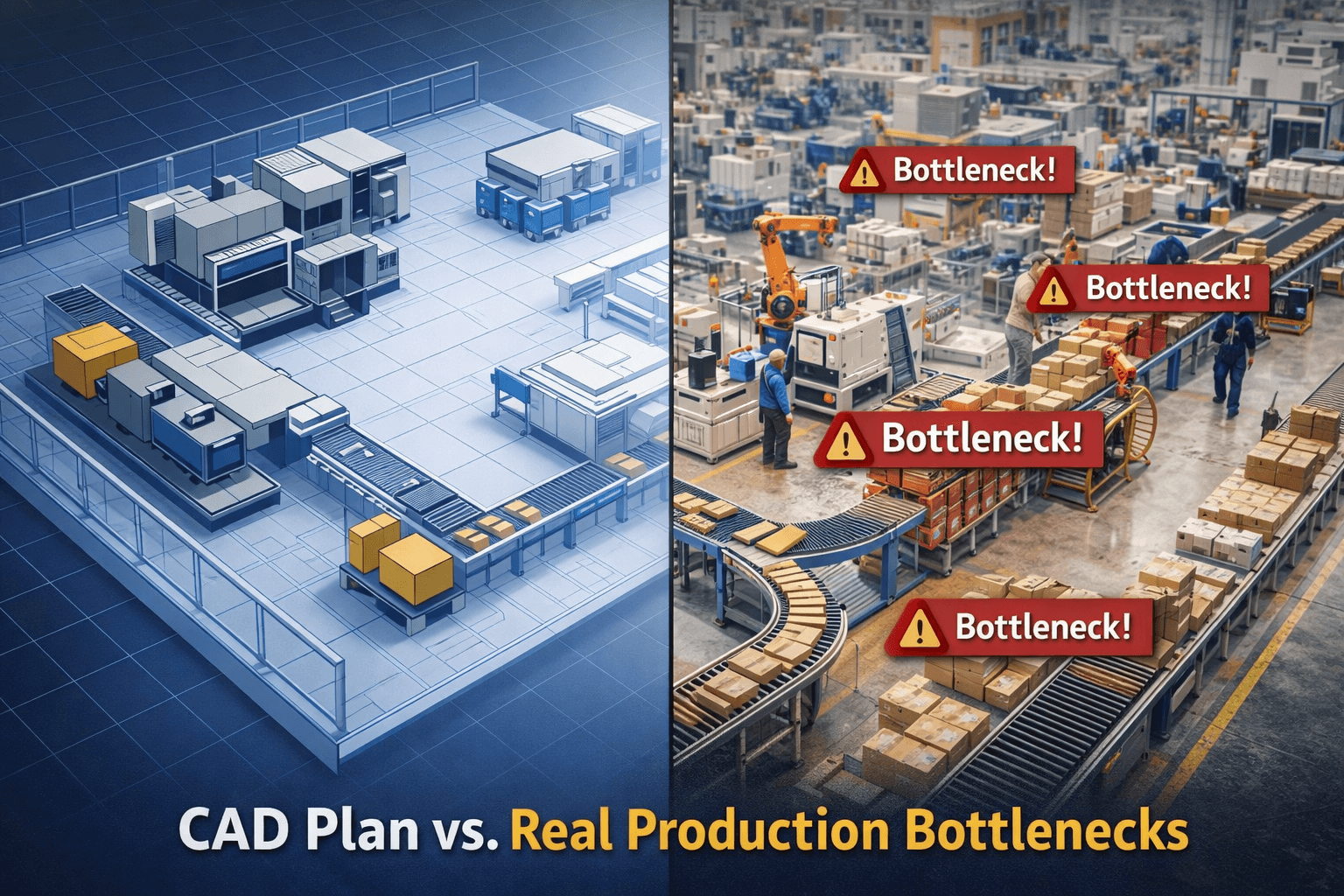
Model proposed changes (new equipment, conveyance lines, cable routes) into the existing BIM and run clash detection and clearance checks. Because the BIM is derived from an accurate scan, the risk of spatial conflicts drops significantly.
Value: reduces rework, redesign cycles, and project delays during brownfield upgrades.
3) Virtual validation and sign-off
Stakeholders (engineering, safety, production) can review the proposed changes in the as-built context, validate ergonomics, access, and maintenance routes, and sign off virtually before any physical intervention.
Value: faster approvals, fewer site visits, and stronger traceability for compliance.
4) VR training creation
Point clouds + BIM are exported into game engines or VR platforms to create immersive training scenarios: machine operation, lockout-tagout (LOTO), emergency evacuation, and maintenance walkthroughs all inside an accurate replica of the real factory.
Value: safer, repeatable training with measurable skill transfer and lower need for production downtime during training.
5) Asset classification and tagging for maintenance
During modeling, assets are classified and tagged with metadata asset type, make/model, serial, maintenance schedule, last inspection, and spare parts. The BIM becomes an indexable inventory that links to various systems.
Value: faster troubleshooting, predictive maintenance enablement, and improved spare-parts planning.
6) Ongoing digital infrastructure versioning and change capture
Periodic or continuous reality capture allows the digital twin to be updated tracking as-built deviations over time and providing a verifiable change log.
Value: audit trails for compliance, easier handover for contractors, and reliable data for lifetime cost analysis.
What are the advantages
Reduced rework and change orders: Reality capture reduces the risk of field clashes that often create expensive rework. Industry summaries and vendor case collections document significant drops in rework project-level savings that commonly pay back the scanning + modelling cost on the first major retrofit. Hexagon and other specialist vendors report that reality capture can substantially reduce rework and associated costs on construction and retrofit projects.
Faster surveys and greater accuracy: Traditional manual surveys can take weeks for complex plant areas; a high-quality scan can capture an equivalent level of geometric detail in days with millimeter-level accuracy, which shortens design cycles and reduces onsite measurement errors. Multiple academic cost–benefit analyses show that terrestrial laser scanning plus BIM can produce net economic value when compared to classical survey/design processes.
Practical ROI example (illustrative): a 50,000-m² brownfield retrofit where a single mechanical clash causes a one-week shutdown and ₹50 lakh in losses can be avoided if the clash is detected virtually. Scan + BIM on such a project might cost ₹5–20 lakh depending on scope; preventing just one critical shutdown easily produces a strong ROI. (Project specifics vary, and detailed CBA should be done per site.)
How Desapex Helps Manufacturers on Their Digital Factory Journey
Desapex supports manufacturers in moving from traditional, paper-based factory records to a fully digital, data-rich environment. With expertise in reality capture, BIM modelling, asset integration, and on-ground delivery across Indian plants, Desapex offers a practical and scalable approach to digital factory adoption.