Webinar
Inside the Data Center
Discover the structural engineering behind the mission-critical digital world.
Friday, 30 Oct 2026
11:30 AM CET | 4:00 PM IST
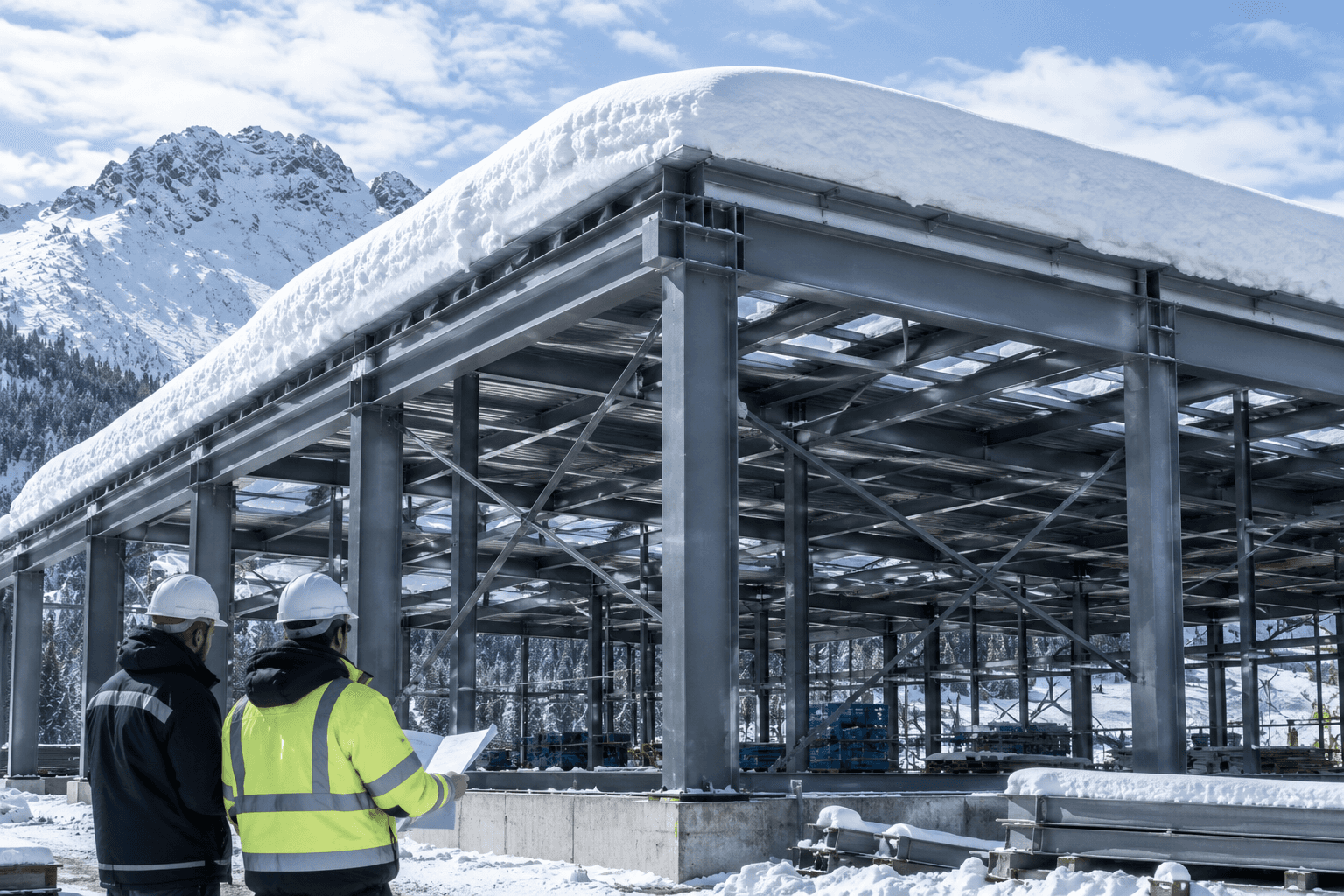




The Mediterranean region is often associated with warm weather, coastal landscapes, and mild winters. However, beyond the beaches and temperate climate lies a very different reality. In mountainous and inland regions, winter brings significant snowfall that can cause enormous stress on buildings and infrastructure.
For structural engineers, these seasonal conditions create a unique challenge: designing structures that can safely withstand snow loads while maintaining durability, functionality, and long-term performance. Understanding how snow affects buildings and implementing effective engineering solutions is critical to ensuring resilient structures across the region.
When Snow Becomes a Structural Threat
Imagine a commercial building in a mountainous region of Italy after days of continuous snowfall.
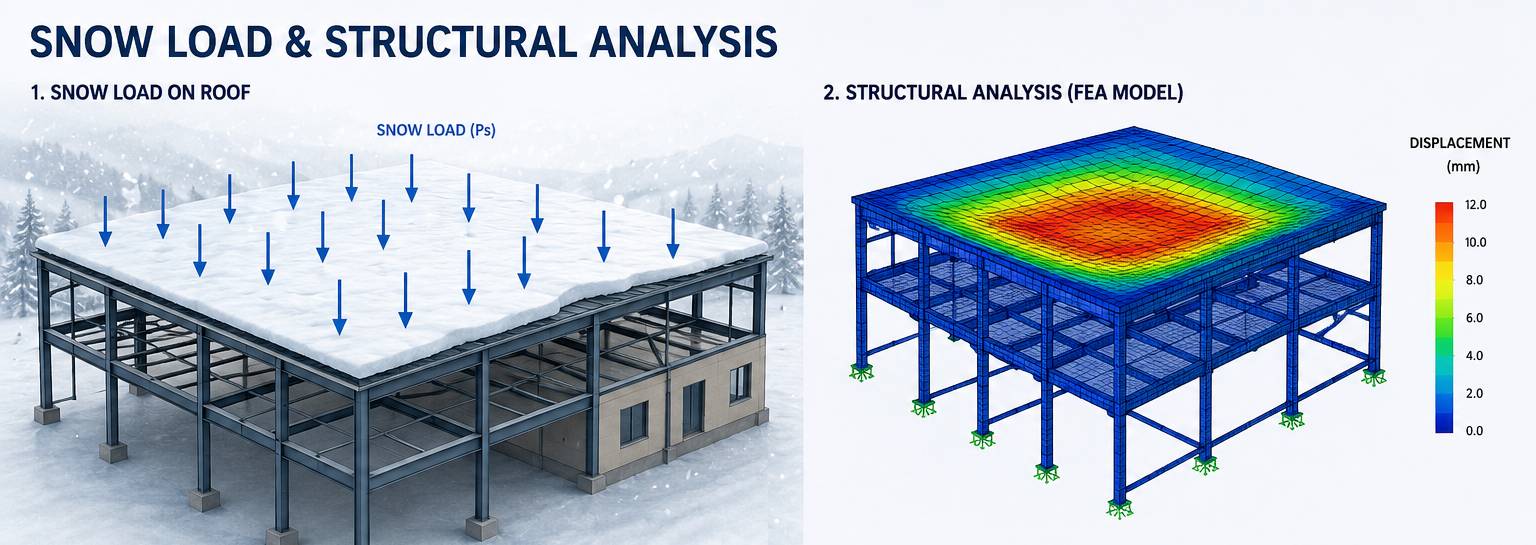
At first glance, the snow-covered roof appears harmless. Yet beneath the surface, tons of accumulated snow are exerting vertical forces on the structure. As the load increases, roof deflection begins. Localized stress concentrations develop. If the building was not designed for these conditions, cracks may appear, connections may weaken, and in extreme cases, structural failure can occur.
This scenario is not hypothetical. Every winter, engineers across Mediterranean and Alpine regions evaluate buildings exposed to significant snow accumulation and the associated risks.
Why This Matters
Snow loads are more than a seasonal consideration they directly impact the safety, durability, and serviceability of structures.
When snow accumulation is underestimated during design:
Roof systems can experience excessive deflection.
Structural members may be subjected to stress beyond their design limits.
Wind-driven snow can create uneven load distribution, producing dangerous localized overloads.
Freeze-thaw cycles can accelerate deterioration of concrete, steel, and roofing materials.
Long-term maintenance and operational costs can increase significantly.
For owners, developers, and facility managers, these issues translate into financial risk, operational disruption, and potential safety concerns.
Understanding the Core Problem
Snow loads introduce substantial vertical forces onto buildings, particularly roofs, canopies, and exposed structural elements.
The challenge becomes more complex because snow rarely accumulates uniformly. Wind drifting can cause snow to gather in specific areas, creating concentrated loads that may exceed the design assumptions made during construction.
Additionally, repeated freeze-thaw cycles can:
Damage concrete surfaces
Accelerate steel corrosion
Compromise roofing systems
Reduce overall structural lifespan
As climate patterns become increasingly unpredictable, engineers must account for a wider range of loading scenarios than ever before.
Deep Dive: Engineering Challenges and Solutions
1. Increased Roof Loading and Structural Stress
The most immediate impact of snowfall is the increase in roof loading.
As snow accumulates, the roof structure must resist additional dead loads beyond normal operational conditions. If these loads are not properly considered during design, buildings may experience:
Excessive roof deflection
Cracking of structural elements
Serviceability failures
Potential structural collapse in severe cases
Engineering Solution
Structural engineers perform comprehensive load assessments based on internationally recognized standards, including Eurocode EN 1991-1-3, which provides guidance for snow load calculations and design requirements.
Advanced structural analysis software is used to model multiple snow-loading scenarios and evaluate structural performance under extreme conditions.
2. The Hidden Danger of Uneven Snow Distribution
A common misconception is that snow spreads evenly across a roof.
In reality, Wind patterns often cause snow drifting, resulting in highly uneven accumulation. Certain sections of a structure may carry significantly higher loads than others.
Real Project Scenario
Consider a large industrial facility with multiple roof elevations.
During a snowstorm, wind transports snow from higher roof sections and deposits it in lower roof areas. Although the overall snowfall remains within expected limits, localized accumulation creates concentrated loads capable of overstressing structural members.
Engineering Solution
Engineers analyze drift patterns and load combinations during the design phase to identify potential overload zones and reinforce critical areas accordingly.
Roof geometries are also optimized to encourage natural snow shedding and reduce snow accumulation.
3. Material Degradation from Freeze-Thaw Cycles
Snow-related damage extends beyond structural loading.
Repeated freezing and thawing of moisture trapped within materials can significantly accelerate deterioration.
Key Risks
Concrete cracking and surface degradation
Steel corrosion
Roofing membrane damage
Reduced durability of building components
Engineering Solution
To improve long-term performance, engineers specify:
High-strength construction materials (Composites)
Corrosion-resistant steel systems
Durable concrete mixtures
Enhanced waterproofing solutions
Effective insulation systems
These measures improve structural resilience while reducing maintenance requirements throughout the building lifecycle.
4. Why Location Matters: The Italian Example
One of the most important aspects of snow-load engineering is recognizing that climatic conditions vary significantly across regions.
A Story from Italy
A structural engineer designing a facility in Palermo faces a very different challenge than one working in the Italian Alps.
In Mediterranean coastal cities such as:
Rome
Naples
Palermo
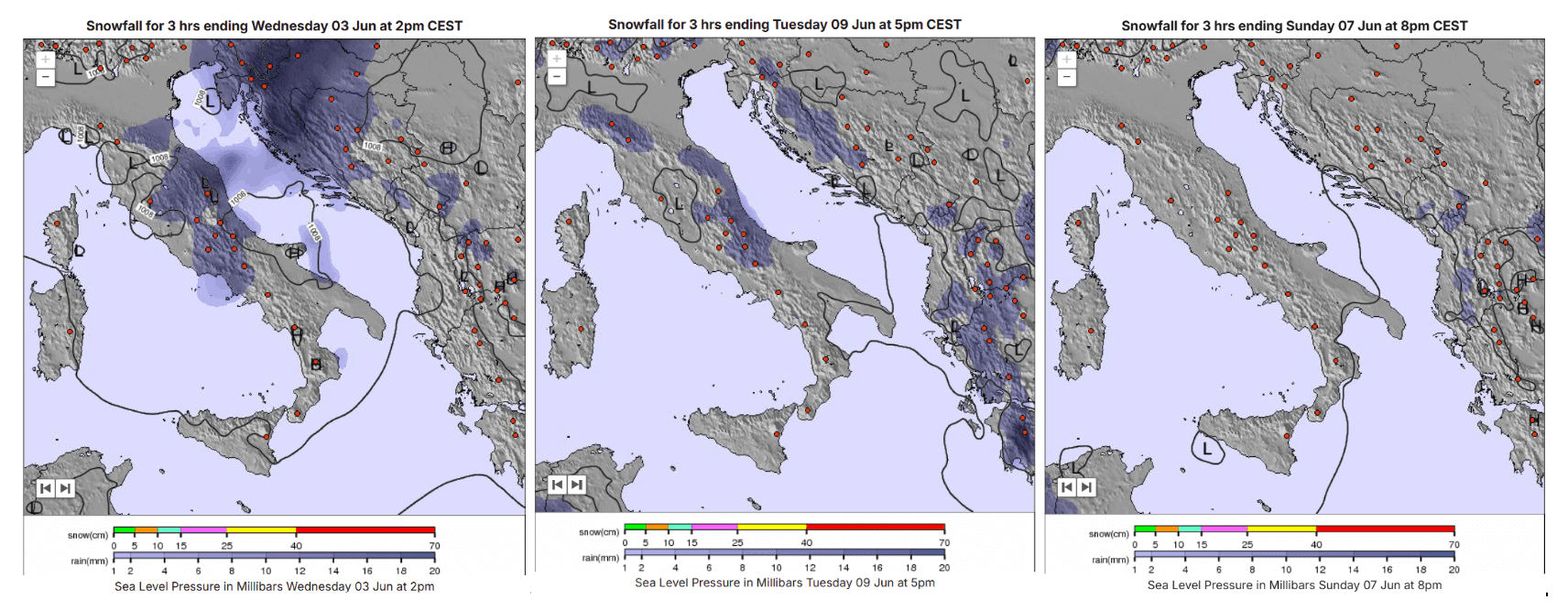
Snowfall is relatively rare, and structures are primarily designed for dead, live, and wind loads. Characteristic ground snow loads are generally below 1.0 kN/m².
However, conditions change dramatically in mountainous and Alpine regions.
In these areas:
Snow accumulation can become severe.
Ground snow loads may exceed 5.0–10.0 kN/m², depending on elevation and local climatic conditions.
Structures require significantly different design strategies.
This variation demonstrates why a single design approach cannot be applied across all geographic regions.
A structural engineer designing a residential facility in Palermo faces a very different challenge than one working in the Italian Alps.
At Desapex, this variation became evident while working on apartment developments across different regions of Italy.
For example, during the design and detailing of a 12-story apartment project in Bologna, the snow load requirements were moderate compared to the Alpine regions. Based on the local climatic conditions and applicable Eurocode provisions, the structural framing system, roof members, and load combinations were designed considering the characteristic ground snow loads specified for the region. While snow accumulation was a design consideration, it was not the governing load case for most structural elements.
In contrast, for an apartment project located in the Italian Alps, snow loading became one of the critical design parameters. The project site experienced significantly higher ground snow loads due to its elevation and climatic exposure. Roof systems, supporting beams, columns, and connection details were carefully evaluated to accommodate increased snow accumulation. Additional attention was given to load transfer mechanisms, roof geometry, and serviceability checks to ensure long-term structural performance during severe winter conditions.
These project experiences highlight how structural design requirements can vary considerably within the same country. Coastal and low-altitude regions often demand greater attention to wind and occupancy loads, whereas mountainous and Alpine locations require engineers to account for substantial snow loads that can govern the overall structural design.
Such regional variations demonstrate why structural engineers must adopt location-specific design strategies rather than relying on a single approach for all projects. By accurately assessing environmental loading conditions and applying the relevant Eurocode requirements, safe, efficient, and resilient structures can be delivered across diverse climatic zones.
Engineering Solution
Structural engineers follow the Italian National Annex to Eurocode EN 1991-1-3, which determines snow loads based on:
Altitude above sea level
Geographic zone
Topography
Exposure conditions
This location-specific methodology ensures accurate load calculations and safer designs.
Expert Insight and Industry Best Practices
Modern snow-load engineering relies on a combination of advanced analysis, regional climatic data, and international design standards.
Key engineering practices include:
Structural analysis of multiple snow-load scenarios
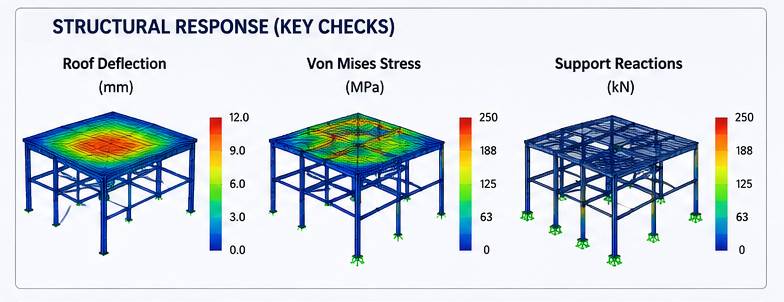
Finite Element Analysis (FEA) for performance evaluation
Optimized roof geometry design
Snow-retention systems where required
Proper drainage systems
Enhanced roof insulation
Regular maintenance program
Accurate load combinations based on regional standards
These approaches help engineers evaluate critical performance indicators such as:
Roof deflection
Von Mises stress distribution
Support reactions
Overall structural stability
By combining analytical modelling with practical design strategies, engineers can significantly reduce snow-related risks.
What Should Companies Do Next?
Organization's operating in snow-prone Mediterranean and Alpine regions should:
Assess Existing Structures
Review whether current buildings were designed according to the latest snow-load requirements and regional standards.
Conduct Structural Evaluations
Use advanced structural analysis tools to assess roof capacity and identify potential Risk Prone areas.
Implement Preventive Maintenance
Regular inspections help detect deterioration caused by freeze-thaw cycles before major issues develop.
Upgrade Critical Components
Where necessary, strengthen structural members, improve drainage systems, and replace ageing materials with more resilient alternatives.
Follow Location-Specific Design Standards
Ensure all new projects comply with relevant Eurocode requirements and national annexes.
The Next Generation of Snow-Load Engineering
The future of structural engineering is increasingly data driven.
Emerging technologies are transforming how snow-load risks are assessed and managed:
Digital Twins for real-time structural monitoring
BIM-enabled structural coordination
AI-assisted predictive maintenance
Advanced climate modelling and simulation
Automated structural health monitoring systems
High-performance materials with enhanced durability
These innovations will enable engineers to predict performance more accurately, optimize maintenance strategies, and create structures that are increasingly resilient to changing environmental conditions.
Building Resilience Beyond Winter
Snow may not be the first challenge people associate with the Mediterranean region, but for structural engineers, it remains a critical design consideration.
From coastal cities with minimal snowfall to Alpine regions experiencing extreme winter conditions, every structure must be designed for its specific environmental context. Through accurate load calculations, advanced structural analysis, adherence to Eurocode standards, and innovative engineering solutions, buildings can remain safe, durable, and functional throughout seasonal weather variations.
The true measure of successful structural engineering is not how a building performs on a normal environmental exposure condition but how it withstands the most demanding conditions nature can deliver.
How Desapex Helps
At Desapex, we leverage advanced structural analysis, BIM-driven engineering workflows, international design codes, and innovative engineering practices to help clients design resilient structures capable of withstanding snow, ice, wind, and other environmental loads.
Our expertise includes:
Structural analysis and design
BIM-based engineering coordination
Eurocode-compliant design support
Load assessment and optimization
Digital engineering solutions
Infrastructure and building resilience consulting
Whether designing new assets or assessing existing structures, we help organizations enhance safety, durability, and long-term structural performance in challenging climatic and environmental conditions.
Talk to Desapex today to discover how advanced engineering and digital delivery can improve the resilience of your next project.