




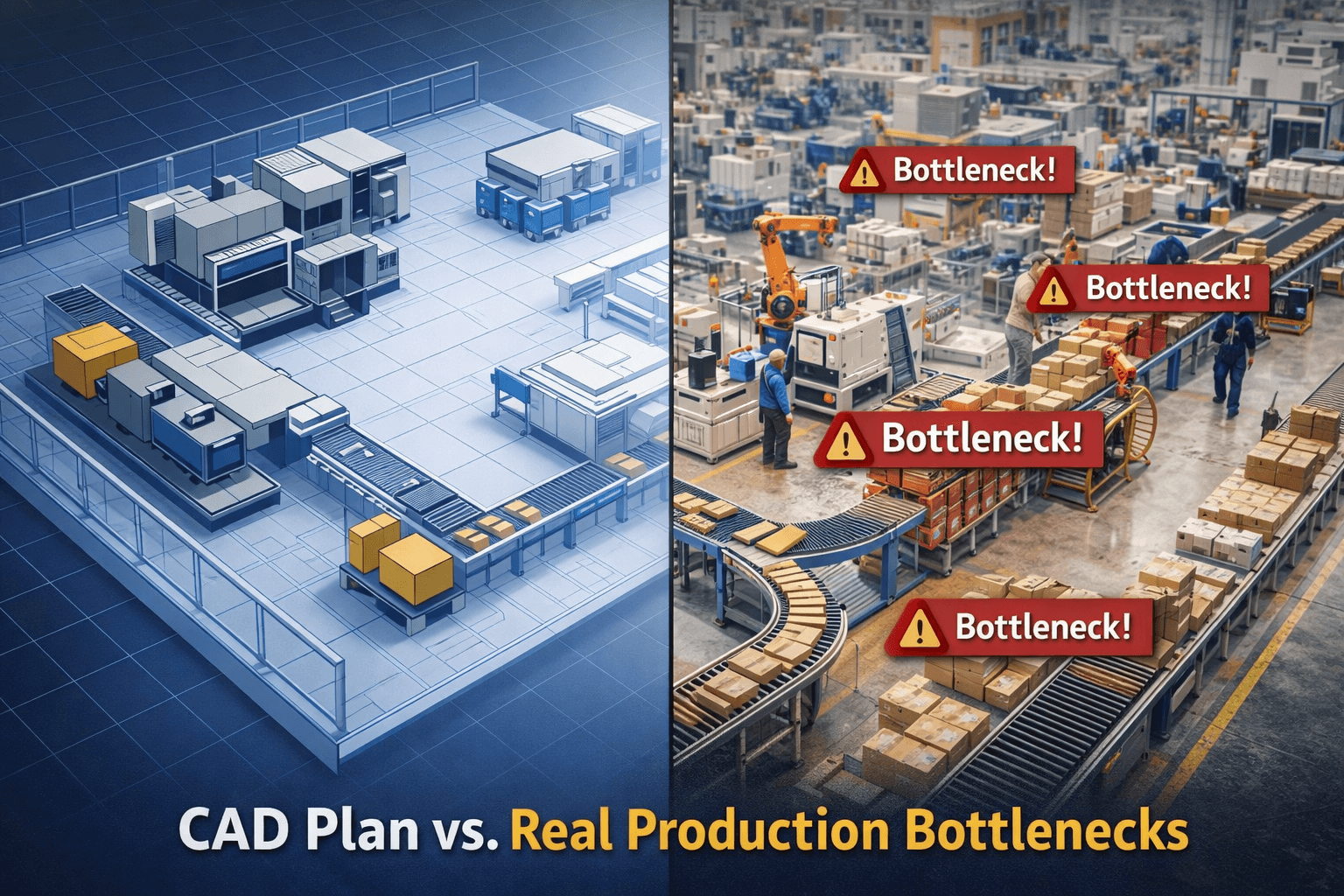
Quick summary: Hyperscale data centers must deliver near-perfect uptime while keeping energy costs and carbon impact in check. This case study walks through how a holistic MEP engineering approach spanning power distribution, equipment selection, redundancy, monitoring, and sustainability planning helped one global technology company build a facility that is both highly efficient and highly resilient.
Why Energy Efficiency and Reliability Matter
A leading global technology company embarked on the development of a hyperscale data center to support the growing demand for digital services. The facility required an electrical infrastructure capable of delivering uninterrupted power while maximizing energy efficiency. Achieving this balance demanded a reliable, resilient, and scalable design that could support future growth and evolving technology requirements.
Energy efficiency and reliability are fundamental to the success of any data center. While energy-efficient systems help reduce operating costs and support sustainability goals, reliable electrical infrastructure ensures uninterrupted power for mission-critical operations.
A well-planned MEP engineering approach enables organizations to optimize power distribution, minimize energy losses, and build resilient, scalable infrastructure that supports long-term performance.
“How can we build an energy-efficient data center without compromising reliability and uptime?”
The answer lies in adopting a holistic MEP engineering approach that prioritizes both energy efficiency and operational resilience from the earliest stages of design. Rather than treating efficiency and reliability as separate objectives, they should be integrated into every aspect of the electrical infrastructure.
This includes accurate load assessment, optimized power distribution, high-efficiency transformers and UPS systems, intelligent lighting, advanced energy monitoring, and coordinated MEP design. By selecting the right equipment, minimizing electrical losses, and planning for future expansion, organizations can reduce operating costs while ensuring continuous power availability for mission-critical operations.
As experienced MEP consultants, we deliver intelligent electrical design solutions that optimize Power Usage Effectiveness (PUE), reduce energy consumption, improve system reliability, and create scalable, future-ready data centers capable of supporting evolving business and technology demands.
Challenges in Designing Energy-Efficient Data Centers
Modern data centers must strike the right balance between energy efficiency, operational reliability, and future scalability. Some of the most common challenges organizations face include:
Balancing upfront capital costs against long-term energy savings and lifecycle value
Rising IT rack densities that increase power and cooling demand
Legacy infrastructure and space constraints that limit distribution flexibility
Meeting utility capacity and grid interconnection timelines in high-growth regions
Integrating renewable energy and storage without compromising redundancy
Maintaining the right level of redundancy while minimizing electrical losses
Keeping pace with tightening sustainability regulations and ESG reporting requirements
Our Consulting Approach
We believe that every watt saved contributes to long-term operational efficiency. We advocate an integrated approach to energy management that balances reliability, scalability, and sustainability. By adopting industry best practices and energy-efficient strategies, organizations can optimize performance while building resilient, future-ready infrastructure.
1. Optimizing the Power Distribution Architecture
Rather than simply placing equipment where space was available, the electrical team analyzed the power flow across the facility to develop an efficient and reliable distribution network.
The design included:
Strategically located transformers and switchgear
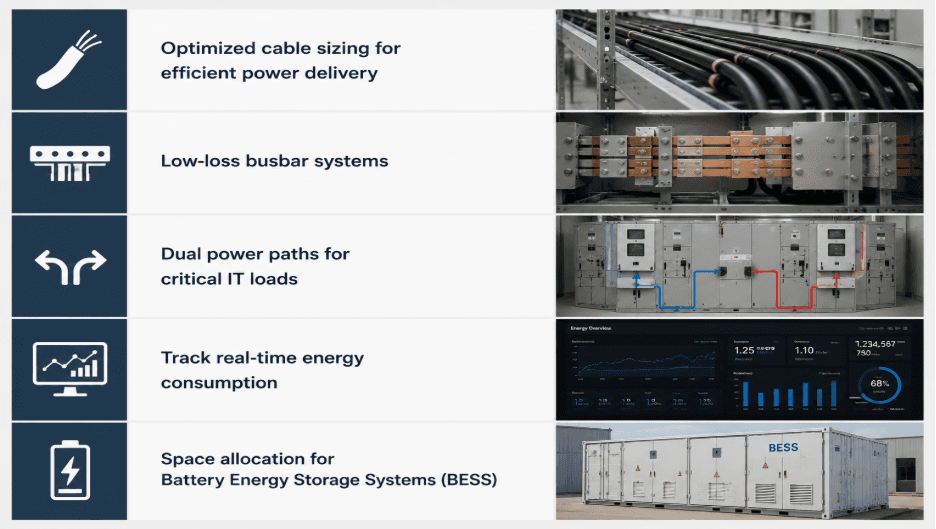
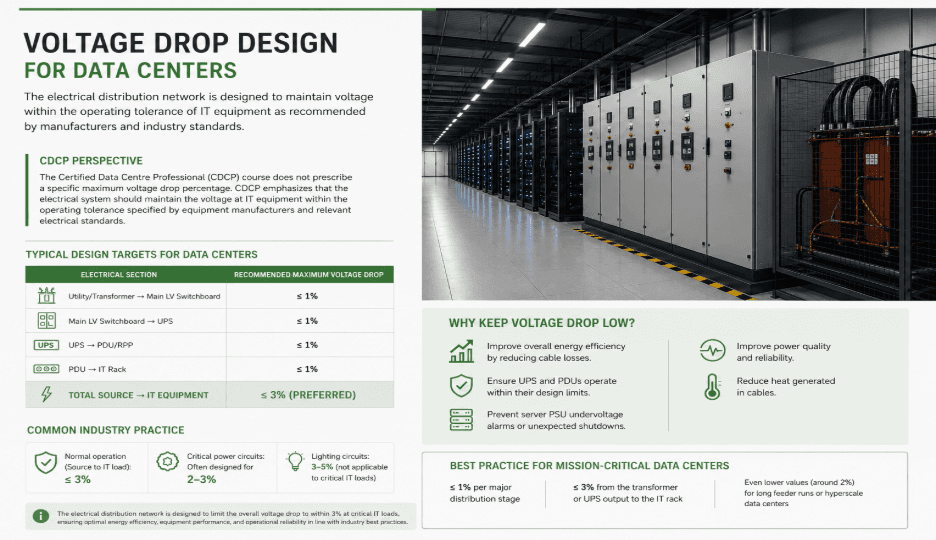
Shorter cable routes to minimize electrical losses and maintain voltage drop within recommended limits
Optimized cable sizing for efficient power delivery
Balanced electrical loading across distribution boards
Simplified maintenance access
By optimizing the distribution architecture, the design reduced electrical losses, maintained acceptable voltage levels at critical IT loads, and improved overall system efficiency while supporting high operational reliability.
2. Selecting High-Efficiency Electrical Equipment
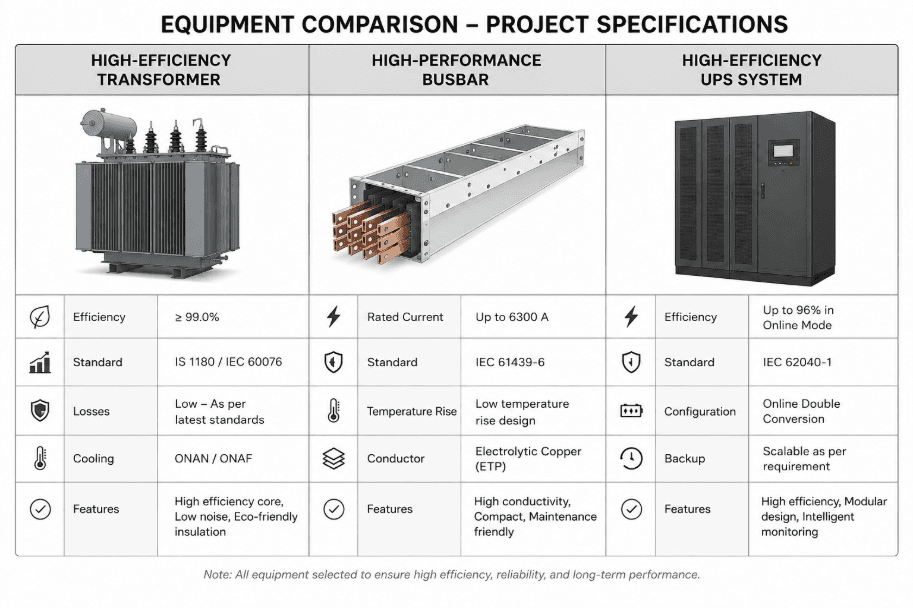
The consultancy specified electrical equipment designed to reduce energy losses during normal operation, including:
High-efficiency transformers
Low-loss busbar systems
Energy-efficient UPS solutions
Optimized power distribution units (PDUs)
Equipment selection was based on lifecycle performance rather than initial capital cost alone.
3. Designing for Reliability
Efficiency was never considered in isolation.
The electrical infrastructure incorporated:
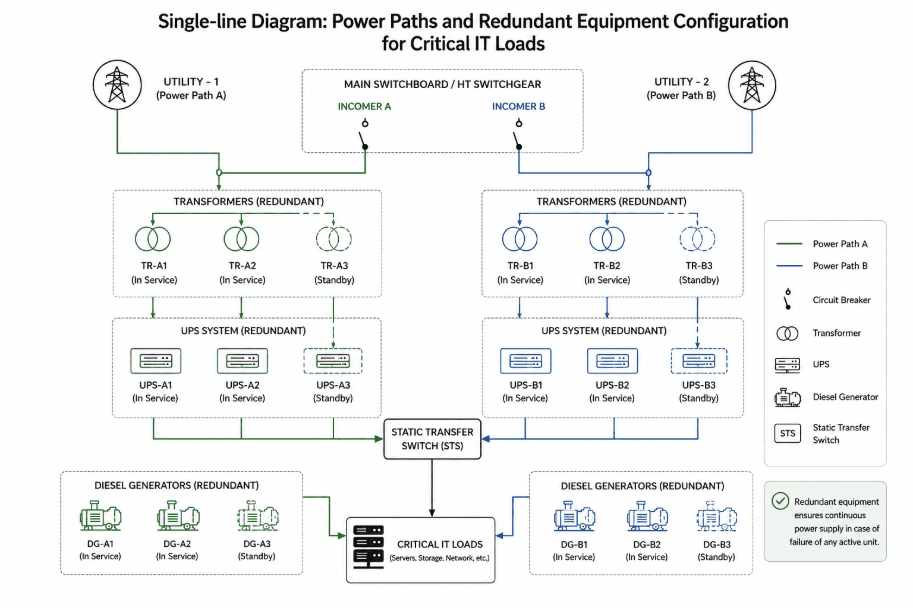
Redundant utility connections
Dual power paths for critical IT loads
Appropriate levels of redundancy for essential electrical equipment, selected to match the facility's criticality requirements
Maintainable system configurations allowing servicing without disrupting operations
This ensured that reliability remained the foundation of the design.
4. Intelligent Energy Monitoring
The consultancy implemented a comprehensive metering strategy covering:
Incoming utility supply
Transformers
UPS systems
Power Distribution Units (PDUs)
Mechanical plant
Lighting systems
The centralized monitoring platform enabled facility teams to:
Track real-time energy consumption
Identify abnormal operating conditions
Compare system performance
Support continuous operational improvements
5. Supporting Sustainability Goals
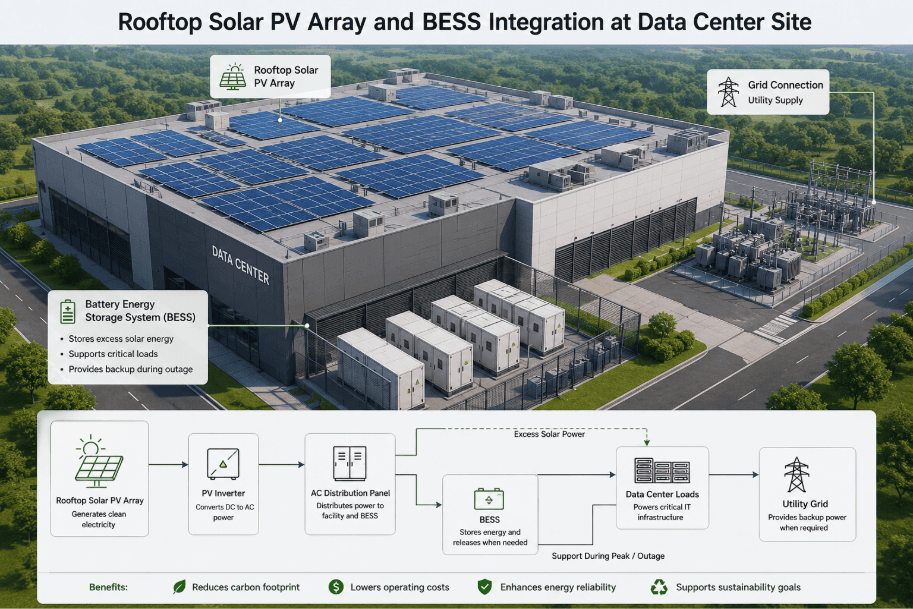
To prepare the facility for future energy initiatives, the design included:
Electrical provisions for rooftop solar integration
Space allocation for Battery Energy Storage Systems (BESS)
Infrastructure compatible with future smart grid technologies
Scalable electrical distribution for expanding IT capacity
This approach minimizes future retrofit requirements while supporting long-term sustainability objectives.
Key Outcomes
Applying this integrated approach delivered measurable improvements across the facility's electrical infrastructure:
Reduced distribution losses through optimized cable routing and equipment placement
Improved Power Usage Effectiveness (PUE) through high-efficiency transformers, UPS, and PDUs
Redundant, dual-path electrical architecture achieved across all critical IT loads
Full visibility into energy consumption through centralized, real-time monitoring
Built-in provisions for solar and battery storage integration, reducing future retrofit costs
The Benefits of an Energy-Efficient Electrical Design
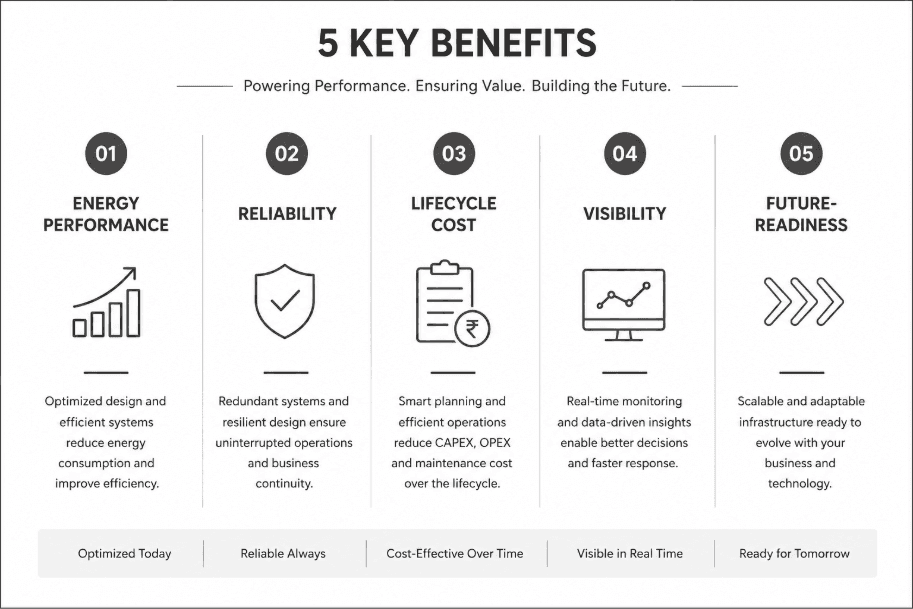
A well-engineered electrical infrastructure delivers long-term value by reducing energy consumption, improving power reliability, and providing the flexibility to support future business growth. Key benefits include:
Improved Energy Performance
Optimized power distribution, reduced voltage drop, and the use of high-efficiency electrical equipment minimize distribution losses and improve overall system efficiency. This results in lower energy consumption, reduced operating costs, and improved Power Usage Effectiveness (PUE).
Enhanced Reliability
A resilient electrical architecture incorporating appropriate redundancy, selective coordination, and reliable power distribution ensures continuous operation of critical IT loads. The design supports planned maintenance while maintaining high system availability and power quality.
Lower Lifecycle Costs
Selecting high-efficiency equipment, minimizing electrical losses, and optimizing system layouts reduce maintenance requirements, improve equipment longevity, and lower the total cost of ownership throughout the facility's lifecycle.
Greater Operational Visibility
Advanced power monitoring, energy metering, and real-time electrical analytics provide continuous visibility into system performance. This enables proactive maintenance, faster fault identification, informed operational decisions, and ongoing energy optimization.
Future-Ready Infrastructure
Scalable electrical systems are designed to accommodate future load growth, evolving technology requirements, and the integration of renewable energy and energy storage solutions with minimal modifications, ensuring long-term operational flexibility and resilience.
How DESAPEX Delivers Value
At DESAPEX, we combine engineering expertise with advanced digital technologies to design energy-efficient, reliable, and future-ready data centers. By leveraging Building Information Modeling (BIM) and 3D engineering models, we deliver coordinated, data-driven designs that improve accuracy, enhance collaboration, and streamline project execution.
Our integrated approach enables clients to:
Optimize electrical infrastructure from the earliest stages of design.
Improve coordination across all MEP disciplines through intelligent BIM workflows.
Minimize design conflicts and reduce construction rework using coordinated 3D models.
Deliver resilient and energy-efficient electrical systems without compromising reliability or uptime.
Reduce lifecycle costs while supporting sustainability and operational efficiency.
Design scalable infrastructure that can adapt to future capacity and technology requirements.
By combining digital engineering with multidisciplinary MEP expertise, DESAPEX delivers high-performance, future-ready data center solutions that maximize energy efficiency, operational resilience, and long-term value.

Partner with DESAPEX for Your Next Data Center Project
Whether you're planning a new hyperscale facility or upgrading an existing site, DESAPEX's MEP engineering team can help you design electrical infrastructure that delivers on both efficiency and reliability without trade-offs. Get in touch with our team to discuss how an integrated, BIM-driven design approach can support your project's performance, sustainability, and uptime goals.