




Introduction
Modern estates have entered an era where everything, from management to maintenance, is performed digitally. With technological advancements, estate owners are now capable of developing digital versions of their properties — commonly known as "Digital Estates". By implementing Building Information Modelling (BIM) and Geographic Information System (GIS) technologies, these digital estates provide an innovative solution to longstanding challenges in the real estate sector. This blog will explore the reasons why every estate owner should consider creating digital estates and delve into the significant return on investment (ROI) potential of these platforms.

What is a Digital Estate?
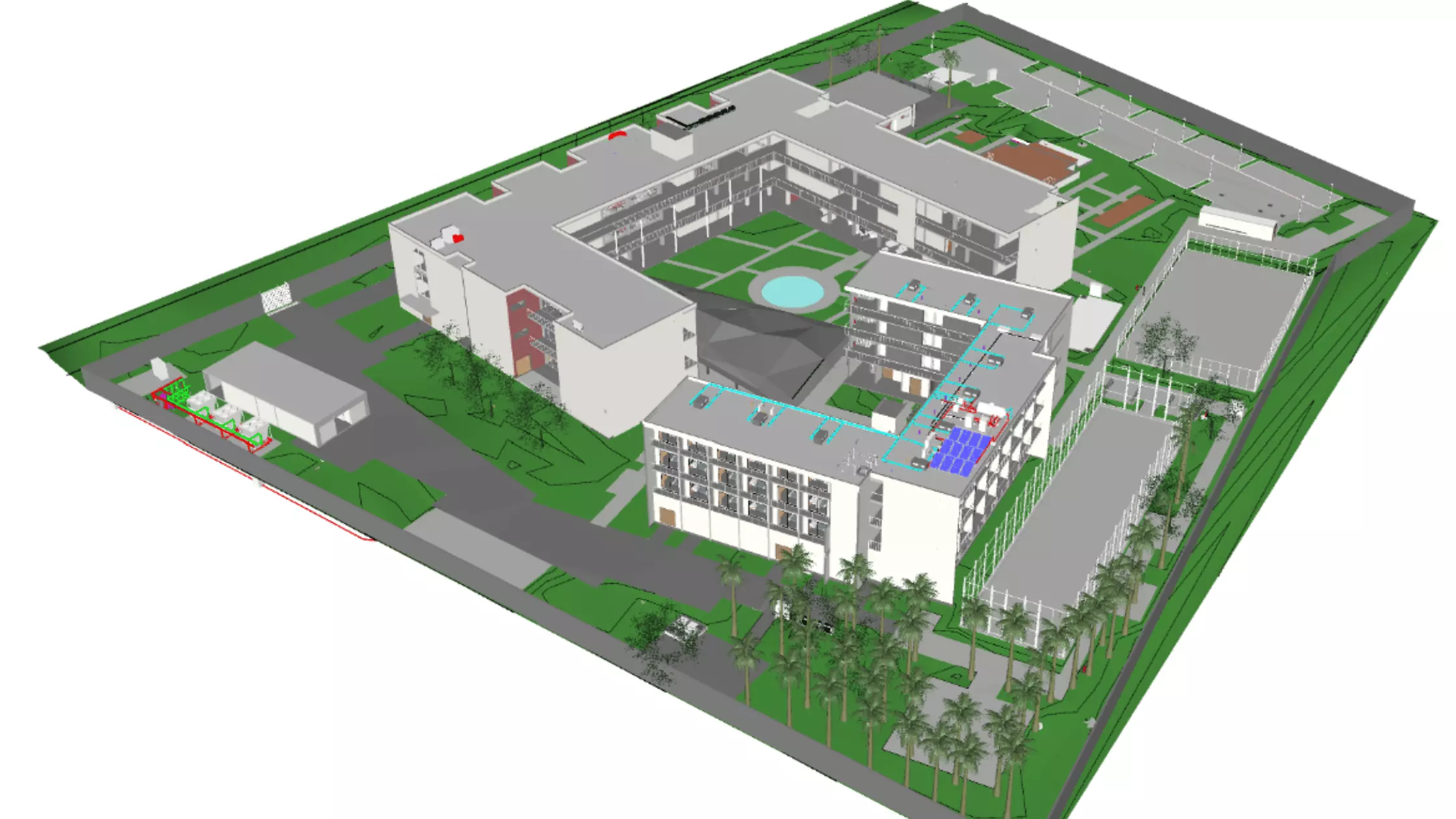
A Digital Estate is a virtual representation of a physical property that provides a comprehensive and detailed view of the estate's structure, systems, and operation. By integrating BIM and GIS technologies, digital estates can enhance property management efficiency, provide critical insights for decision-making, and streamline maintenance and operations.
Why Invest in a Digital Estate?
Efficiency:
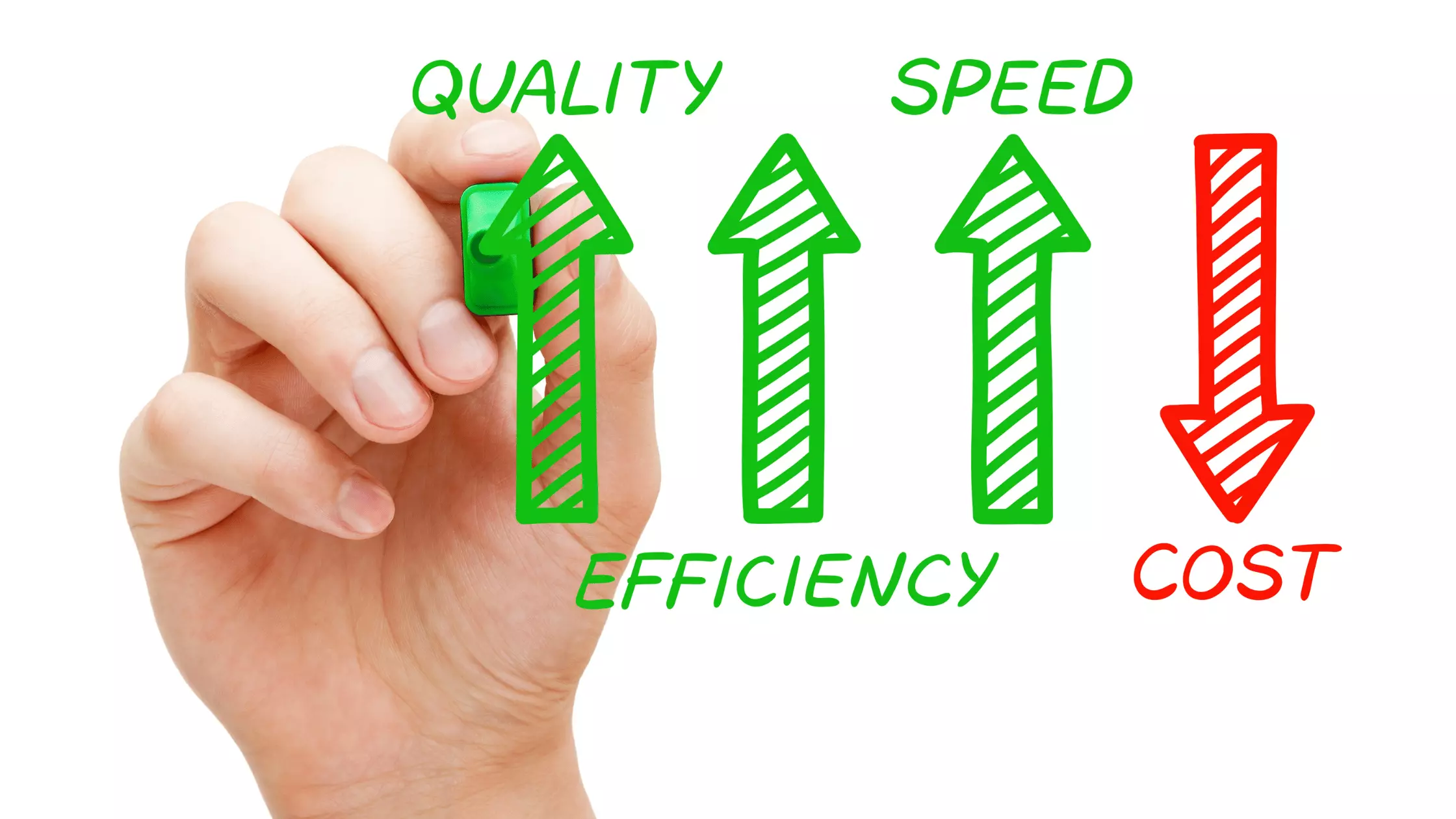
Digital estates streamline operations and simplify maintenance. Traditional methods of estate management often involve tedious manual tasks that can now be automated using digital tools.
Data-Driven Decision Making:
BIM and GIS models provide accurate, real-time data that allows estate owners to make informed decisions about their properties.

Cost Savings:
By implementing predictive maintenance strategies and efficient operations, digital estates can significantly reduce costs associated with property management.

Enhanced Value:
Digital estates can add substantial value to a property by offering a cutting-edge management approach that appeals to contemporary tenants and potential buyers.

BIM and GIS technologies are the foundation of any digital estate

Building Information Modelling (BIM)
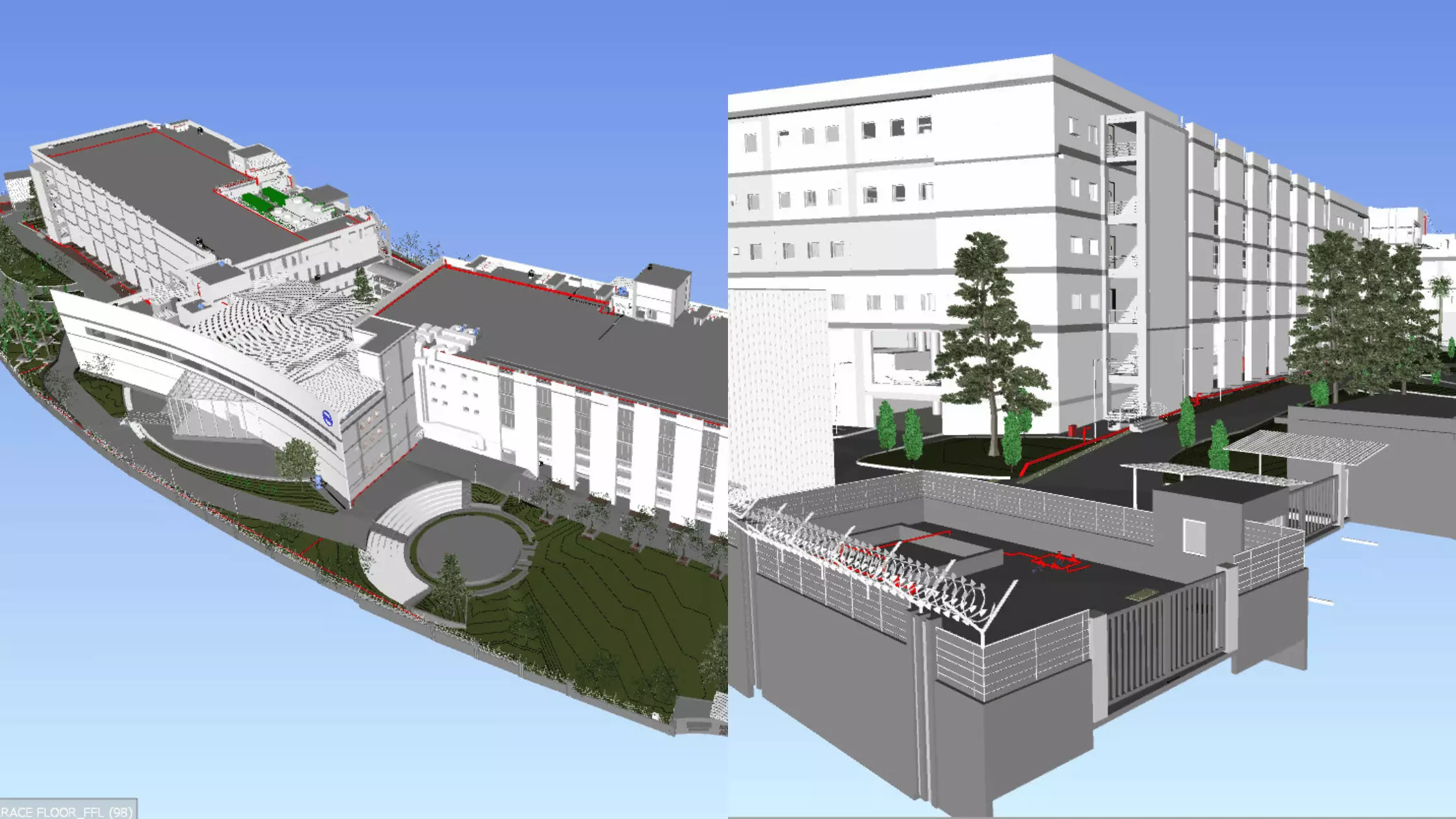
BIM is a 3D model-based process that gives architecture, engineering, and construction professionals the insight and tools to more efficiently plan, design, construct, and manage buildings and infrastructure.
For example:
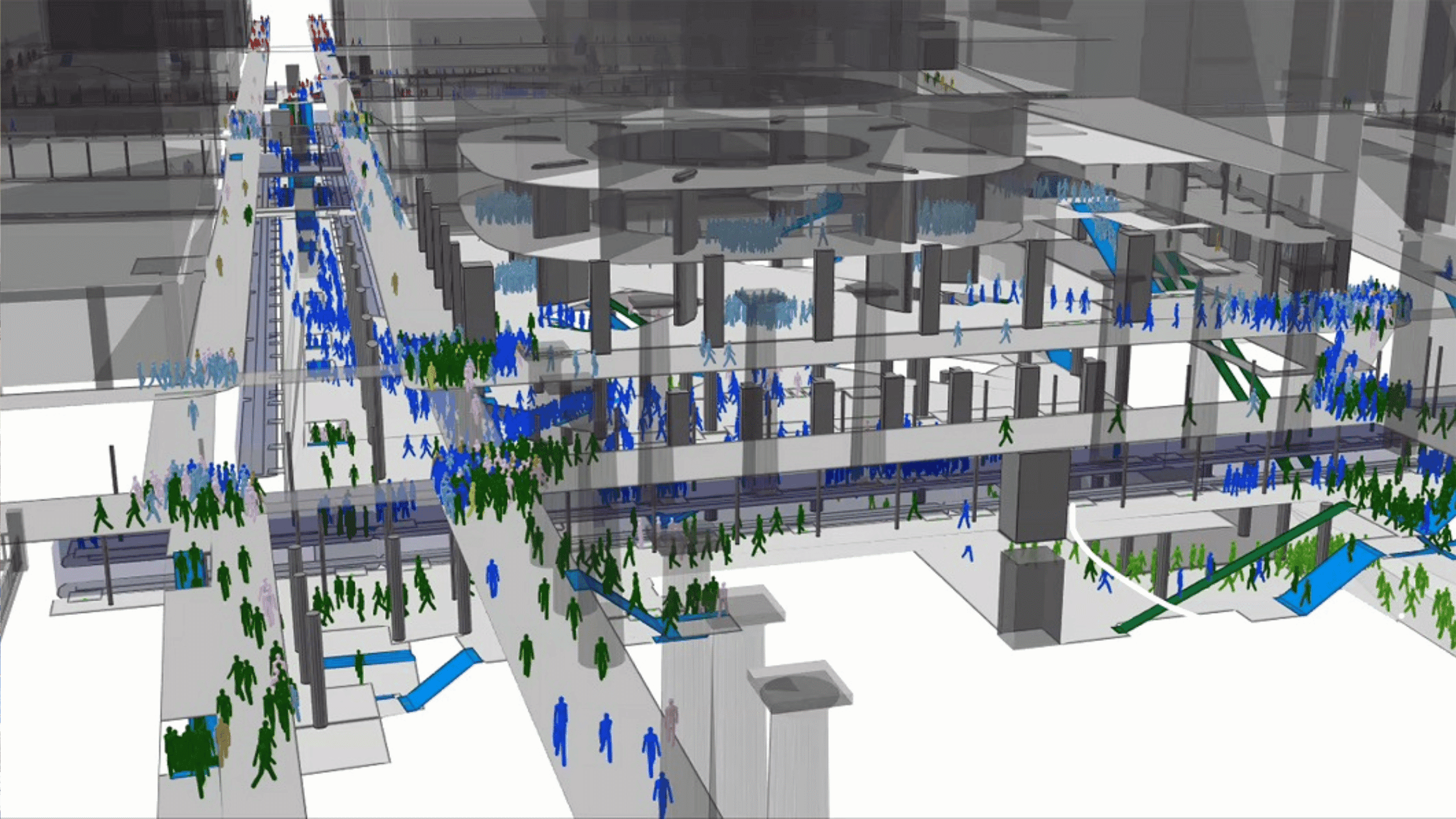
A large estate with multiple buildings can use BIM to create a 3D model of each building. These models can be updated in real-time to reflect changes such as renovations or repairs. With BIM, estate managers can efficiently monitor and manage all buildings in the estate from a single platform.
Geographic Information System (GIS)
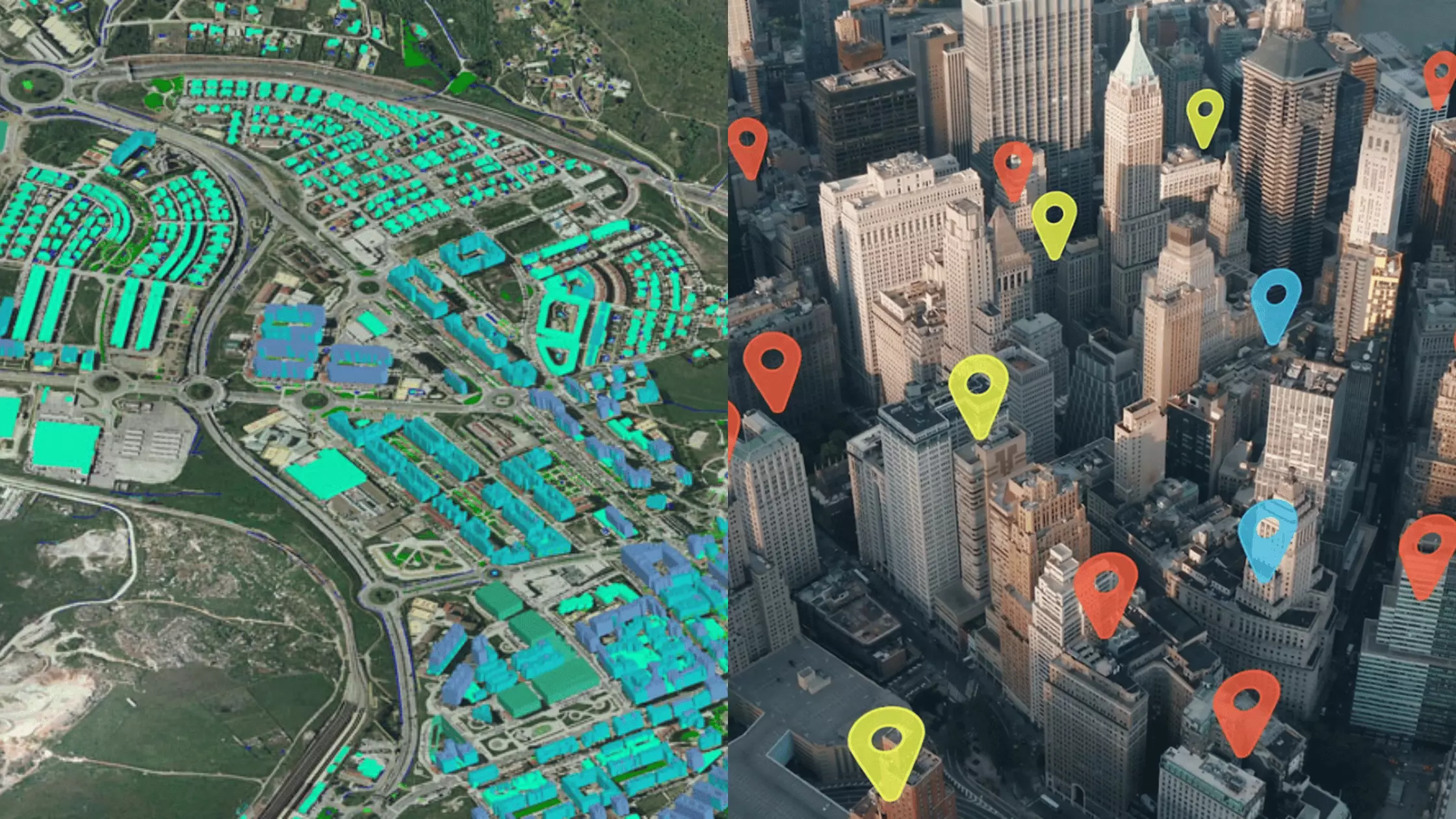
GIS is a framework for gathering, managing, and analyzing data. Rooted in the science of geography, GIS integrates many types of data and analyzes spatial location and organizes layers of information into visualizations using maps and 3D scenes.
Use Cases of Digital Estates
Facility Management:
One of the most prominent use cases for digital estate is in facility management. For instance, an estate owner can leverage a BIM model to manage an office building's heating and cooling system efficiently.

Space Optimization:
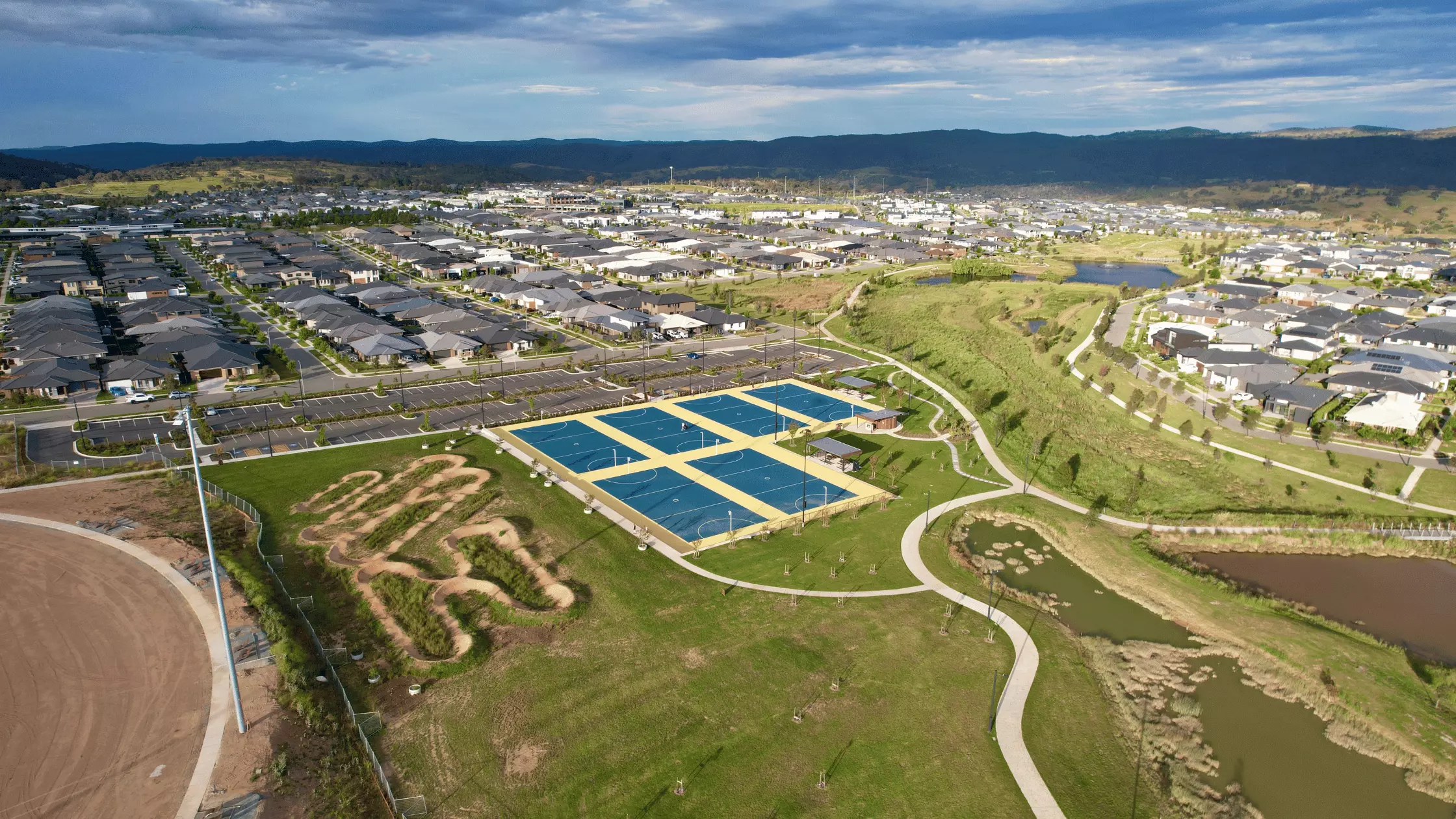
GIS can be used to maximize space utilization within an estate. For instance, GIS data can help determine the most efficient layout for a retail estate, maximizing foot traffic and increasing revenue for tenants.
Disaster Risk Assessment:
BIM and GIS can work together to assess the potential impact of natural disasters such as floods or earthquakes on an estate. By simulating these scenarios, estate owners can implement preventative measures to mitigate damage.
SpaceManager: A Digital Twin Approach to Digital Estate Optimization
Inventory Management
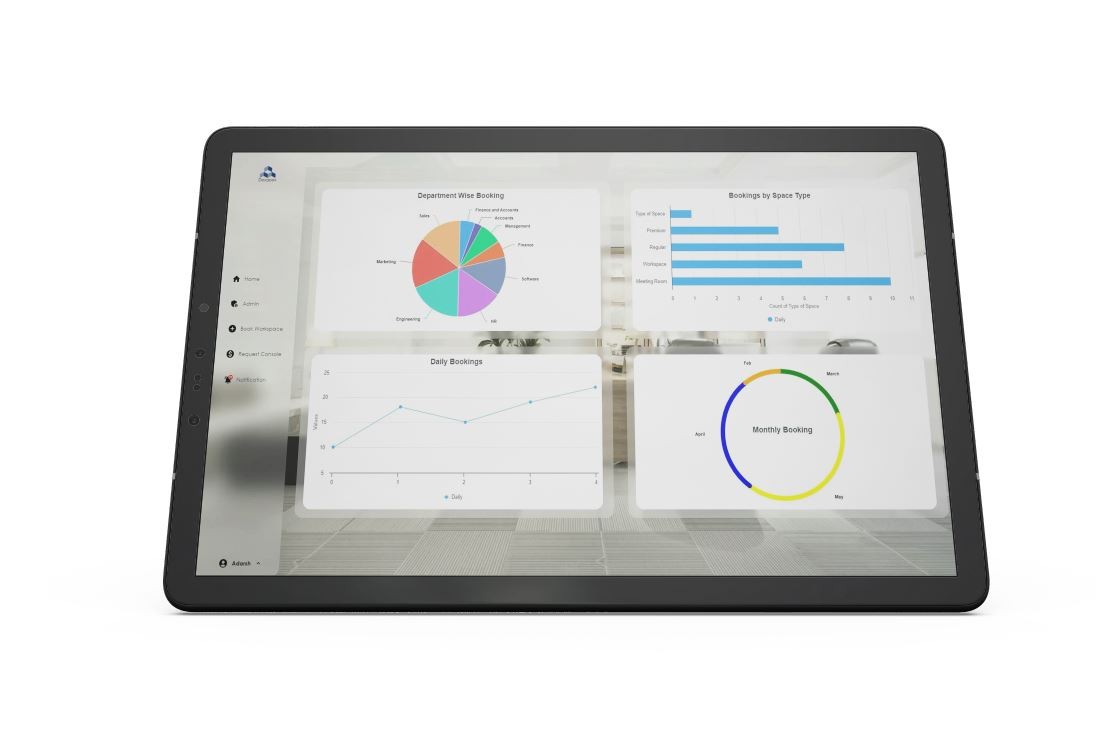
SpaceManager's digital twin technology can potentially be integrated with digital estate management systems. This would allow for a more holistic view of an organization's physical and digital assets. Imagine a system where assigning a physical desk in SpaceManager automatically triggers the creation of a corresponding digital asset record in the digital estate platform. This record could store information about the employee occupying the desk, their associated devices, and any relevant digital files.
Space Optimization for Digital Activities
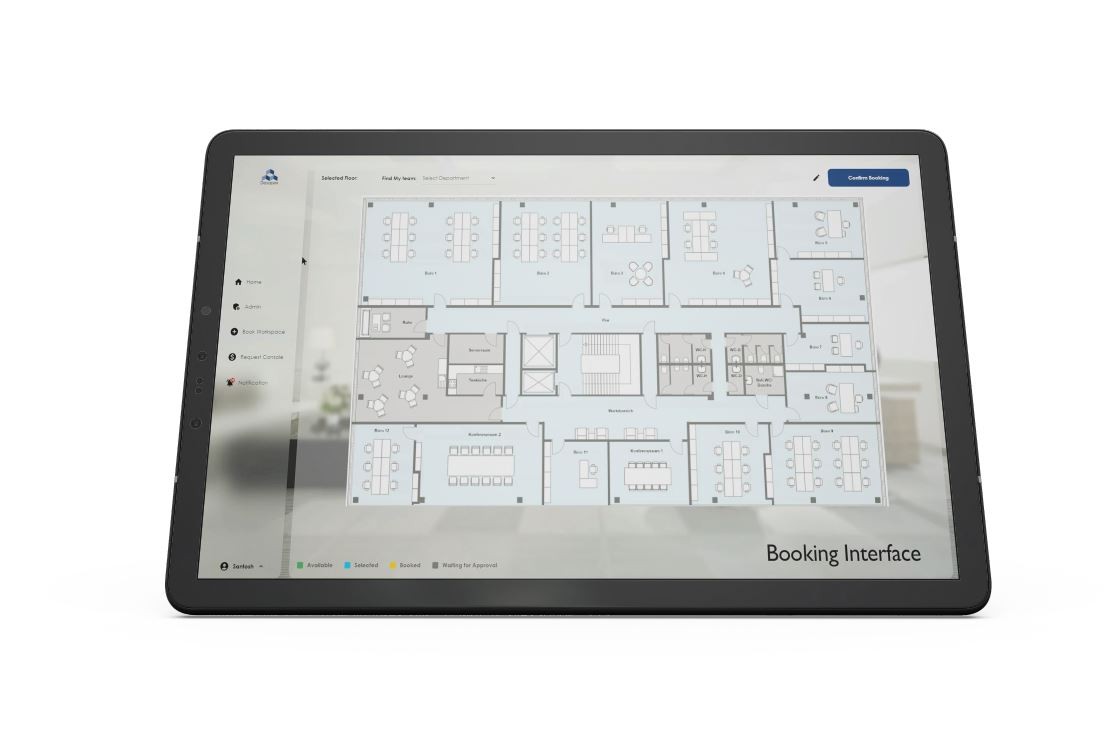
SpaceManager's focus on optimizing space utilization can extend to areas dedicated to digital tasks. By analyzing how conference rooms or collaboration zones are used for video meetings or digital brainstorming sessions, SpaceManager could suggest improvements to these areas to better support digital workflows. This could involve optimizing layouts for better video conferencing setups or installing features that enhance digital collaboration.
ROI of Creating Digital Estates

The ROI of creating a digital estate comes from the efficiency and cost savings it provides. By integrating BIM and GIS models into a digital estate, estate owners can optimize operations, mitigate risks, and enhance decision-making capabilities.
In essence, the upfront investment in developing a digital estate can result in significant long-term cost savings. Additionally, by enhancing the value proposition of the property, digital estates can attract premium tenants and buyers, resulting in increased revenue and potential property value appreciation.
conclusion
In conclusion, digital estates, backed by BIM and GIS models, offer a forward-thinking approach to estate management. As an estate owner, investing in digital transformation isn't just a consideration —it's a strategic move that positions your property to thrive in the digital age.