.png)
The global energy transition has entered a new phase of maturity. For the last two decades, the solar industry and the financial institutions fueling it had a singular objective: deployment speed and cost reduction. The defining metric was the Levelized Cost of Electricity (LCOE). The overarching narrative was simple: solar panels produce zero emissions during operation; therefore, solar is "green."
That era of implied sustainability is closing. It is being replaced by an era of quantified sustainability.
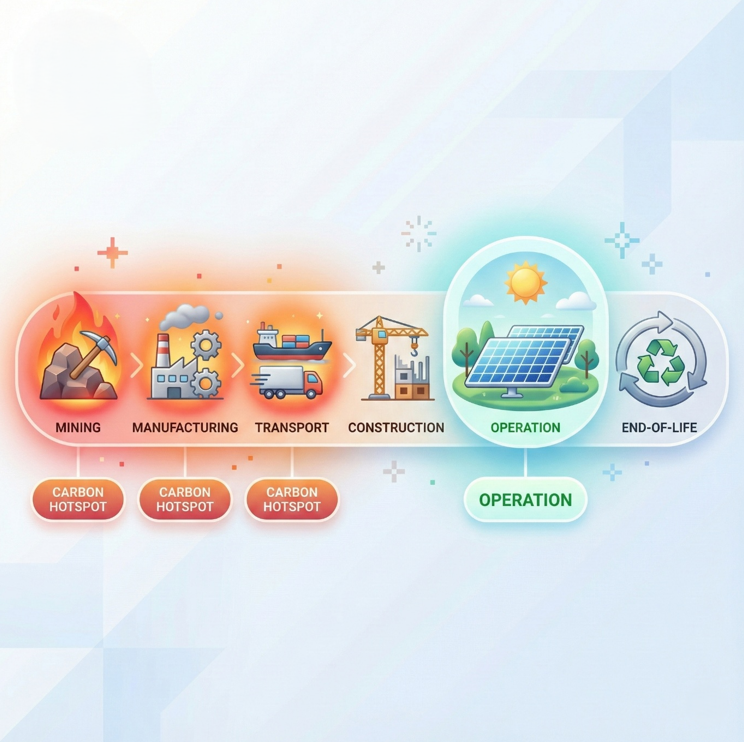
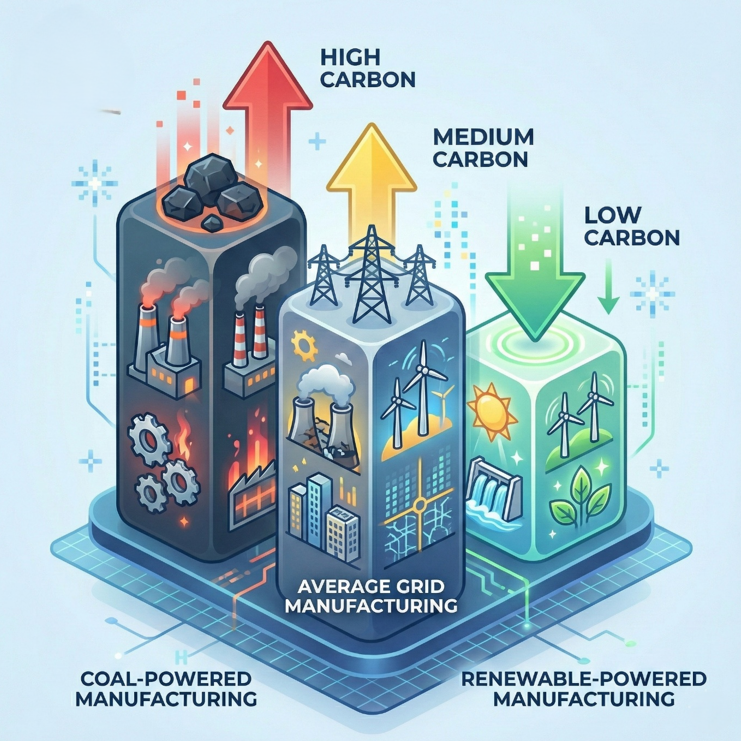
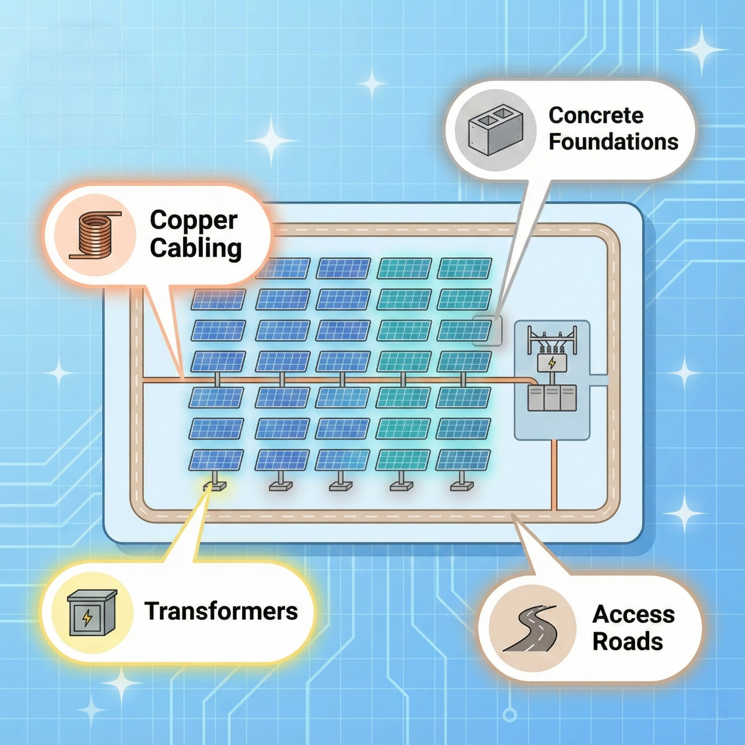
For asset managers, EPC heads, and corporate strategists, this shift presents a paradox. We are deploying capital into renewable assets to decarbonize the grid, yet the creation of these assets mining silicon, smelting aluminum, refining copper is an industrial process of immense scale and carbon intensity.
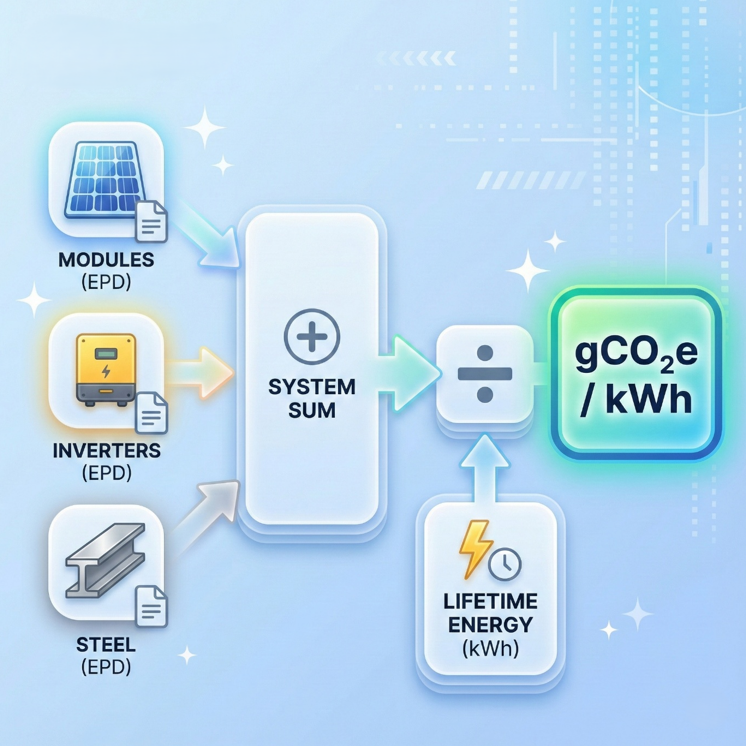
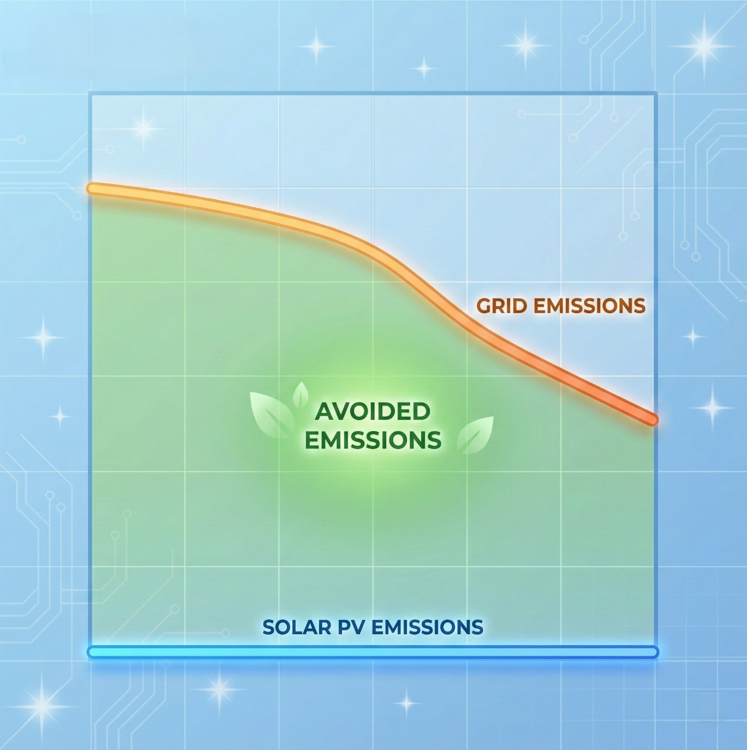
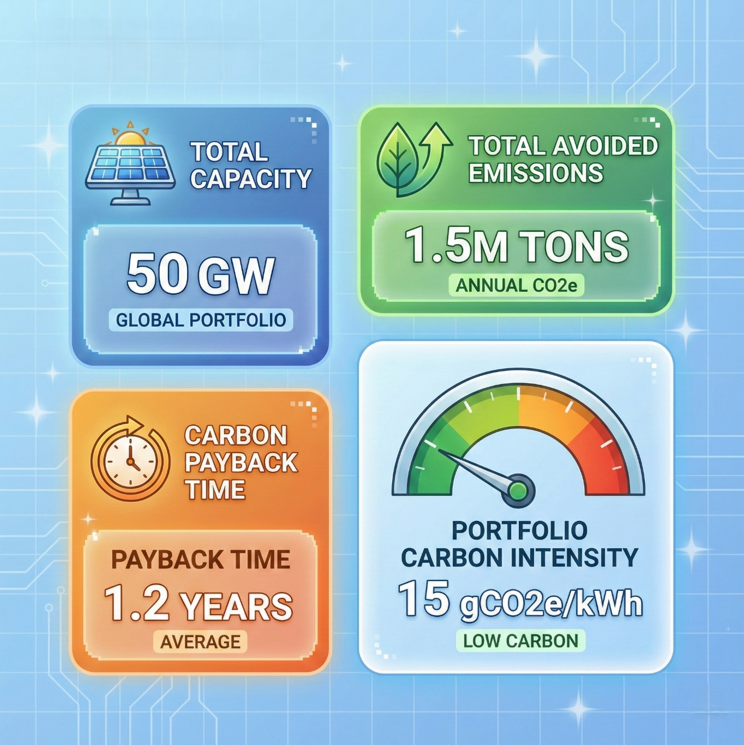
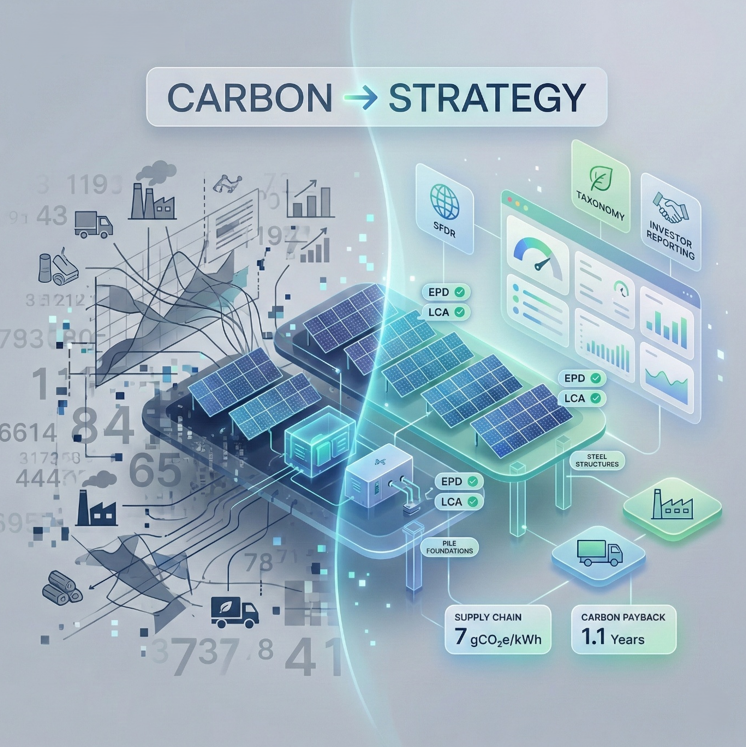
Current regulations, particularly in the EU, are illuminating this "invisible" balance sheet. This is "embodied carbon" the emissions locked into the hardware before a single kilowatt-hour is generated. In a solar project, embodied carbon represents nearly 100% of the lifecycle climate impact.
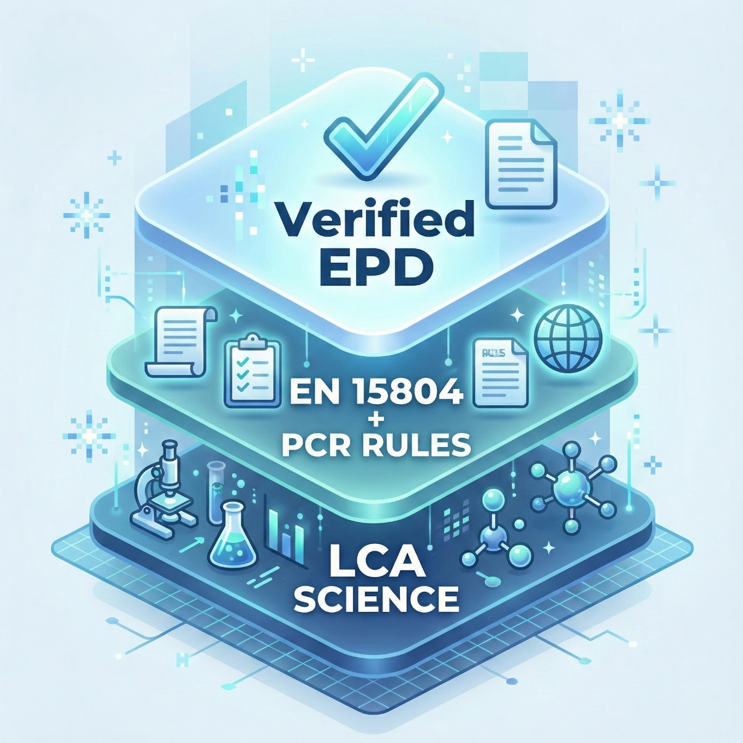
This guide outlines why Life Cycle Assessment (LCA) is no longer a technical compliance exercise but a fundamental component of asset valuation, risk management, and fiduciary duty.